Blog

Articles and Resources

Stay informed on the latest in regenerative medicine, stem cell research, and pain management.

Shockwave therapy for back pain

Shockwave for Back Pain – Pain Center of Rhode Island

Shockwave for Back Pain: A Revolutionary Approach to Chronic Pain Management

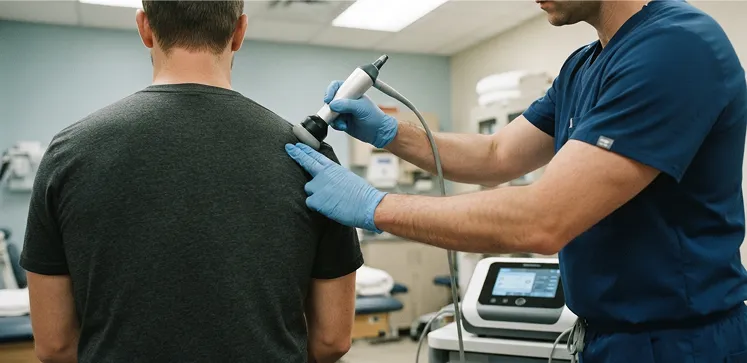
Shockwave for back pain is emerging as a groundbreaking treatment for individuals suffering from chronic low back pain (CLBP). This non-invasive therapy uses acoustic waves to target damaged tissues, reduce pain, and promote healing, offering a safe alternative to traditional methods.

If you have questions about treatments, prices, and scheduling an evaluation, schedule a call to get your questions and concerns answered. 

Understanding Chronic Low Back Pain (CLBP)

From 1990 to 2017, the number of people with chronic low back pain increased from 370 million to 570 million—a staggering 60% rise in just 27 years.

What Causes CLBP?

  • Ongoing lower back pain causes spasms that damage the lower back muscles, reducing their ability to stabilize the spine.
  • Poor posture in the lower back can lead to muscle fatigue, inflammation, and degeneration of muscle fibers.

Traditional Treatments vs. Shockwave for Back Pain

Traditional treatments for CLBP include:

  • Physical exercise: Often hindered by poor adherence and lack of standardization.
  • Physiotherapy: May not provide long-term pain relief.
  • Drugs: Frequently associated with side effects such as nausea, constipation, and fatigue.
  • Surgery: Invasive and not always successful.

While these methods alone may provide relief, when combined with shockwaves it offers a more efficient and long-lasting solution. Shockwaves provides a non-invasive, side-effect-free alternative that addresses pain and promotes long-term healing.

How Shockwave Therapy Works for Back Pain

When shockwaves enter the human body, they interact with fat, tendon, ligament, and bone tissue to:

  • Relax tissues
  • Promote circulation
  • Increase oxygen levels in cells
  • Stimulate the secretion of pain-reducing chemicals
  • Reduce nerve sensitivity
  • Increase pain threshold levels

This comprehensive approach makes shockwave therapy highly effective for managing chronic back pain.

Clinical Evidence Supporting Shockwave for Back Pain

In a study involving 632 patients with CLBP, 318 received shockwave therapy, while 314 underwent traditional treatments like physical exercise, physiotherapy, and drugs. Pain scores and quality of life were assessed at 4 weeks and 12 weeks post-treatment.

Results:

  • The ESWT group reported significantly lower pain scores and higher quality of life scores compared to the traditional treatment group.
  • No side effects were observed in any of the 12 studies analyzed.

Benefits of Shockwave for Back Pain

  1. Non-Invasive: No surgery or needles required.
  2. Effective Pain Relief: Reduces pain and improves mobility within weeks.
  3. Safe: No reported side effects.
  4. Long-Lasting Results: Promotes healing and prevents recurrence of pain.

Integration of Shockwave Therapy into Treatment Plans

Shockwave therapy can be easily combined with other treatment methods to maximize results. For example:

FAQs About Shockwave for Back Pain

  1. Is shockwave therapy painful? Most patients experience mild discomfort during the procedure, which subsides quickly.
  2. How many sessions are needed? Typically, 3-5 sessions spaced a week apart are required for optimal results.
  3. Are there any side effects? No significant side effects have been reported.
  4. Can shockwave therapy prevent surgery? Yes, many patients avoid surgery by effectively managing back pain with shockwave therapy.

Conclusion: Why Choose Shockwave for Back Pain?

Shockwave for back pain is revolutionizing chronic pain management by offering a safe, effective, and non-invasive solution. By addressing the root causes of pain and promoting long-term healing, shockwave therapy provides a modern approach to back pain relief. If you’re struggling with chronic back pain, consider integrating shockwave therapy into your treatment plan for a pain-free future.

Testimonials

These testimonials inspire us to remain committed to our patients’ wellness journeys and ensure their long-term success.

Schedule a call

If you have questions about treatments, prices, and scheduling an evaluation, schedule a call to get your questions and concerns answered. 

Source: https://www.ncbi.nlm.nih.gov/pmc/articles/PMC10290808/

Shockwave Therapy for Foot Pain, Shoulder Pain, and Knee Pain | Pain Center Rhode Island

Shockwave Therapy for Foot Pain, Shoulder Pain, and Knee Pain: A Comprehensive Guide

Are you struggling with persistent foot pain, shoulder pain, or knee pain that hasn’t responded to conventional treatments? Shockwave Therapy offers a safe, non-invasive, and cost-effective solution for managing chronic pain and improving quality of life. This innovative treatment is widely recognized for its effectiveness in treating musculoskeletal disorders.

What is Shockwave Therapy?

Extracorporeal Shockwave Therapy (ESWT) is a treatment that uses acoustic waves to stimulate healing in damaged tissues. Introduced in the 1980s, ESWT has proven effective for conditions like:

  • Plantar Fasciitis (foot pain).
  • Shoulder Tendinopathy (shoulder pain).
  • Patellar Tendinopathy (knee pain).
  • Achilles Tendinopathy and more.

By promoting blood flow and stimulating tissue repair, ESWT is revolutionizing pain management.

Types of Shockwave Therapy

  1. Focused Shockwave Therapy (F-SWT):
    Uses acoustic waves to penetrate deep into the affected tissues, targeting severe pain areas.
  2. Radial Shockwave Therapy (R-SWT):
    Delivers pressure waves to treat broader areas, ideal for conditions like knee pain or foot pain.

Both methods are effective and can be customized based on the patient’s condition.

Clinical Evidence for Shockwave Therapy

A clinical study involving 384 patients with foot pain, shoulder pain, and knee pain compared the effects of conventional therapy to ESWT:

  • Conventional Therapy Group: Received medications and an exercise program.
  • Shockwave Therapy Group: Underwent ESWT using the STORZ MEDICAL Master Pulse MP200 machine (used in our clinic).

Results:
While both groups initially experienced pain relief, the Shockwave Therapy group showed significantly better outcomes in pain reduction and improved functionality at the 4-week follow-up.

Benefits of Shockwave Therapy for Foot, Shoulder, and Knee Pain

  • Non-Invasive: No need for surgery or prolonged recovery times.
  • Effective for Chronic Pain: Addresses persistent pain that hasn’t responded to other treatments.
  • Low Risk of Side Effects: A safe option for patients of all ages.
  • Cost-Effective: Reduces the need for expensive surgical interventions.

Conditions Treated by Shockwave Therapy

  1. Foot Pain:
    • Plantar Fasciitis.
    • Achilles Tendinopathy.
  2. Shoulder Pain:
    • Rotator Cuff Tendinopathy.
    • Frozen Shoulder.
  3. Knee Pain:
    • Patellar Tendinopathy.
    • Osteoarthritis.

Why Choose Shockwave Therapy?

Patients who fail to respond to medications, physical therapy, or other conventional treatments can find relief with ESWT. This innovative method promotes healing, reduces pain, and restores functionality, allowing patients to enjoy a higher quality of life.

Experience the Benefits of Shockwave Therapy at the Pain Center of Rhode Island

At the Pain Center of Rhode Island, we specialize in Shockwave Therapy for Foot Pain, Shoulder Pain, and Knee Pain. Using state-of-the-art equipment, our experienced team provides personalized care tailored to your specific condition.

Schedule Your Consultation Today


Source: https://www.ncbi.nlm.nih.gov/pmc/articles/PMC6029898/

Shockwave Therapy for Knee Pain: Effective KOA Treatment in Rhode Island

Shockwave Therapy for Knee Pain: A Breakthrough in Treating Knee Osteoarthritis

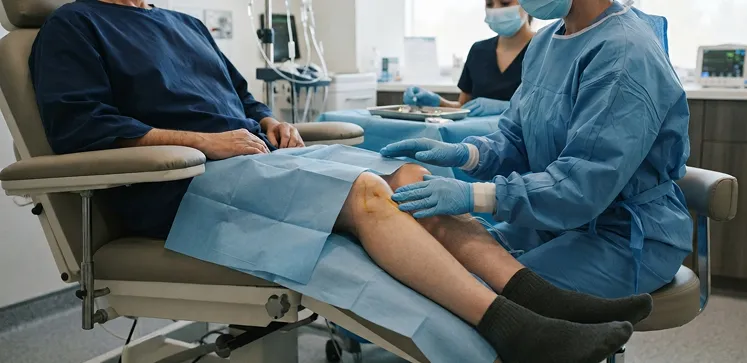
Are you looking for an effective and non-invasive solution to knee pain? Shockwave Therapy for Knee Pain might be the answer. Knee Osteoarthritis (KOA) affects millions worldwide, leading to joint pain, stiffness, and reduced mobility. Traditional treatments like physical therapy, medications, cortisone injections, and surgery often come with mixed results and potential long-term side effects. However, Extracorporeal Shockwave Therapy (ESWT) is emerging as a safe and effective alternative.

How Does Shockwave Therapy Work for Knee Pain?

Shockwave Therapy uses electrical waves to penetrate damaged tissues, stimulating healing and reducing inflammation. This innovative treatment slows cartilage deterioration while strengthening cartilage and bone structures. Unlike many traditional treatments, ESWT has shown no negative side effects, making it a promising option for long-term pain relief.

Research Backing the Effectiveness of Shockwave for Knee Pain

A study conducted on 30 patients aged 45–60 with severe KOA compared the results of traditional physical therapy versus physical therapy combined with ESWT. The findings were remarkable:

  • Shockwave Therapy Group: Achieved an 81.92% reduction in pain and inflammation.
  • Physical Therapy Only Group: Reported a 48.15% improvement.

The significant improvement in the ESWT group is attributed to the therapy’s ability to promote revascularization.

Benefits of Shockwave Therapy for Knee Osteoarthritis

  • Non-Invasive: No surgery or downtime required.
  • Pain Relief: Effectively reduces pain and inflammation.
  • Cartilage Regeneration: Promotes natural healing of damaged cartilage.
  • No Side Effects: Safe for long-term use.

Why Choose Shockwave Therapy for Knee Pain?

Considering the drawbacks of traditional treatments like medications and surgeries, Shockwave Therapy stands out as a reliable alternative for patients seeking lasting relief from knee pain.

What to Expect During Shockwave Therapy?

The treatment involves a series of sessions where the ESWT instrument delivers targeted electrical waves to the affected knee joint. Each session lasts approximately 15–20 minutes, and most patients notice significant improvements after just a few treatments.

Get Relief Today at the Pain Center of Rhode Island

If you have questions about treatments, prices, and scheduling an evaluation, schedule a call to get your questions and concerns answered.


Sources:

https://www.ncbi.nlm.nih.gov/pmc/articles/PMC11254909/ 

https://www.ncbi.nlm.nih.gov/pmc/articles/PMC11254909/pdf/41598_2024_Article_67511.pd

Failed Back Surgery Syndrome: Symptoms, Treatments, and Prevention

3 min read

Failed Back Surgery Syndrome: Causes, Symptoms, and Effective Treatments

Schedule a call with our staff to get your questions and concerns answered!

Failed Back Surgery Syndrome (FBSS) is a complex condition that occurs when patients experience persistent or new pain after lumbar spinal surgery. This condition, often referred to as Failed Back Surgery, can significantly affect the quality of life and make pain management challenging.

What is Failed Back Surgery Syndrome (FBSS)?

FBSS is characterized by continued lumbar pain or the onset of new pain following a surgical intervention meant to correct spinal issues. Alarmingly, up to 40% of patients undergoing back surgery develop this syndrome. With lower back pain affecting 51% to 84% of adults during their lifetime, the rate of back surgeries has surged by 170% from 1998 to 2008, yet outcomes like FBSS remain a concern.

Common Symptoms and Risk Factors of Failed Back Surgery

Patients with FBSS may experience:

  • Increased or persistent pain in the surgical area.
  • Limited mobility or new physical restrictions.
  • Emotional effects such as depression or anxiety.

Pre-Surgery Risk Factors Include:

  • Anxiety, depression, obesity, and smoking.
  • Underlying conditions like spinal stenosis or disc herniation.

Post-Surgery Complications May Include:

  • Spinal instability.
  • Epidural fibrosis (scar tissue formation).
  • Adjacent disc disruption or further spinal degeneration.

Treatment Options for Failed Back Surgery

Conservative Treatments:

  • Physical Therapy: Focused on building tolerance in a non-pain contingent manner, physical therapy is often effective when tailored to a patient’s unique needs.
  • Medications: Non-opioid pain relievers and anti-inflammatory drugs are often prescribed to manage symptoms.

EMTT, Radial Shockwave, and Focused Shockwave, and Red Laser Therapy:

Elbow pain can persist despite traditional interventions. Studies show that for patients with tennis elbow, the use of corticosteroid injection actually resulted in worse clinical outcomes after 1 year. However, advancements in regenerative medicine provide effective, non-invasive solutions. We are proud to be the only clinic in Rhode Island offering three groundbreaking therapies:

  • Radial Shockwaves: Ideal for widespread soft tissue pain and inflammation
  • Focused Shockwaves: Targets deeper structures like tendons and ligaments
  • EMTT: Treats larger areas without direct skin contact for enhanced patient comfort
  • Red Laser Therapy: triggers photobiomodulation to repair tissues, reduce inflammation, and increase blood flow.

Why Surgery Isn’t Recommended Again

Research shows that patients who undergo multiple back surgeries have a higher likelihood of developing FBSS. Therefore, repeat surgeries are typically avoided unless absolutely necessary.

Impact of Failed Back Surgery on Patients

FBSS patients report a lower quality of life compared to those with other chronic pain conditions like arthritis and fibromyalgia. They also experience:

  • Higher rates of unemployment and disability.
  • Increased dependency on opioids, with overdose being a leading cause of death after lumbar fusion surgery.

Preventing Failed Back Surgery Syndrome

Patient education is crucial to minimizing the risks associated with lower back surgery. Before undergoing surgery, patients should understand:

  • The potential complications and likelihood of FBSS.
  • Non-invasive treatment alternatives like physical therapy and interventional pain management techniques.

By making informed decisions, patients can reduce the likelihood of experiencing Failed Back Surgery Syndrome and improve their recovery outcomes.

Why Choose the Pain Center of Rhode Island for FBSS Treatment?

At the Pain Center of Rhode Island, we specialize in comprehensive care for patients dealing with Failed Back Surgery Syndrome. Our team provides personalized treatment plans, including physical therapy and interventional options, to address the root causes of pain and improve quality of life.

Schedule a Consultation Today


Source:

https://www.ncbi.nlm.nih.gov/books/NBK539777/

Non-Invasive Pain Relief Therapies | Effective Shockwave Therapy in Rhode Island

Non-Invasive Pain Relief | How Effective is Shockwave Therapy?

Musculoskeletal injuries affect millions each year, with 66 million cases reported annually in the U.S., costing an estimated $144 billion in treatments. Nearly 45% of these injuries involve tendons, often caused by repetitive strain and improper healing. While surgery has been a go-to solution, it frequently introduces complications like joint instability and infection risks. Non-invasive pain relief therapies offer safer alternatives to address these issues effectively.

We are here to help you understand the benefits of regenerative medicine. Schedule a call with Dr. Cherubini’s team to get a one-on-one call where we go over your pain history, discuss our treatment options, and give you prioty scheduling with Dr. Cherubini!

What is Shockwave Therapy (ESWT)?

Extracorporeal Shockwave Therapy (ESWT) is a non-invasive treatment that has gained popularity for its effectiveness in treating common overuse conditions, including:

  • Elbow Pain (Epicondylopathy)
  • Heel Pain (Plantar Fasciopathy)
  • Shoulder Pain (Rotator Cuff Tendinopathy)
  • Hip Pain (Trochanteropathy)
  • Ankle Pain (Achilles Tendinopathy)
  • Knee Pain (Patellar Tendinopathy)

Clinical Reaserch

The landscape of clinical research concerning the effectiveness of Shockwave therapy is ongoing and growing every year. We are still working to compile the most relevant and up to date research that we can access. Below we have broken up our research findings into various body parts and conditions. This list will continue to grow as we find more information. 

Knee Pain

A study conducted by Arshed CP (2024) investigated the effectiveness of extracorporeal shock wave therapy (ESWT) on functional ability in 30 patients with grade IV knee osteoarthritis aged 45–60. They compared the results of traditional physical therapy versus physical therapy combined with ESWT. The findings were remarkable:

  • Shockwave Therapy Group: Achieved an 81.92% reduction in pain and inflammation.
  • Physical Therapy Only Group: Reported a 48.15% improvement.

The significant improvement in the ESWT group is attributed to the therapy’s ability to promote revascularization.

Shoulder Pain

A study by Gerdesmeyer et al. (2021) demonstrated in a double-blind clinical trial on chronic calcific shoulder tendinopathy that both high – and low- frequency ESWT significantly reduced pain levels. Moreover, ESWT provides long-term pain relief with minimal side effects, making it an excellent alternative to surgery.

Achilles Tendinopathy

A study by Kaylem M Feeney (2022) shows that ESWT is effective in the management of midportion Achilles tendinopathy. This review suggests that ESWT is a safe and effective modality for treating midportion Achilles tendinopathy as it reduces pain and improves function. The best available evidence suggests that a combination of ESWT with eccentric exercises and stretching may be even more effective than ESWT alone

Plantar Fasciitis

In a shockwave research study by Renan (2020) on chronic plantar fasciitis, the effectiveness of SWT was measured based on pain, function, and quality of life. The study included 56 patients, with data collected at three, six, and twelve weeks.

Results:

  • Significant pain reduction was observed within three weeks.
  • Patients reported continued improvement in function and quality of life over the 12-week evaluation period.
  • No complications or risks associated with SWT were noted.
  • This study, along with others, confirms that shockwave therapy is a safe and effective treatment for foot pain, particularly plantar fasciitis.

Back Pain

In a study by Liu (2023) involving 632 patients with chronic lower back pain, 318 received shockwave therapy, while 314 underwent traditional treatments like physical exercise, physiotherapy, and drugs. Pain scores and quality of life were assessed at 4 weeks and 12 weeks post-treatment.

Results:

  • The ESWT group reported significantly lower pain scores and higher quality of life scores compared to the traditional treatment group.
  • No side effects were observed in any of the 12 studies analyzed.

Hip Pain

In a clinical study by Volkan Şah (2022), 148 patients were randomly distributed into three groups: focused, radial, and placebo. The ESWT application consisted of four sessions administered at one-week intervals. Pain levels were assessed using WOMAC and VAS scores before and after treatment.

Results showed significant reductions in pain intensity, improved functionality, and decreased stiffness in both focused and radial ESWT groups compared to baseline. This randomized, controlled, double-blind study demonstrated that shockwave therapy is an effective and safe method to manage pain and improve function in patients with hip osteoarthritis.

Elbow Pain

In a Systematic Review of 13 published articles that included 1035 patients (501 underwent ESWT) and (534 underwent other methods) Gaowen Yao and colleagues (2020) found that extracorporeal shock wave therapy can effectively relieve the pain and functional impairment caused by tennis elbow, with better overall safety than several other methods.

Wrist Pain

In a study conducted by Rezan (2020) a total of 189 patients with mild-to-moderate carpal tunnel syndrome were divided into four treatment groups to test if traditional treatments, Shockwave therapy, or a combination of both would be effective. The research found that the group that used shockwave combined with other treatments saw the greatest improvement of hand function. 

Neck Pain

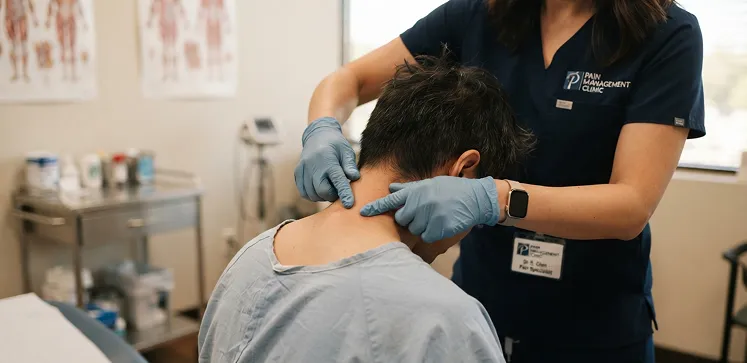
In a clinical study by Jun (2021) involving 505 participants, 231 received shockwave therapy, while 274 underwent treatments like Laser therapy, and Ultrasound Therapy. Follow-ups were conducted over 2-4 weeks to assess pain levels. Results showed that focused extracorporeal shock wave therapy significantly reduced pain and improved pressure pain thresholds compared to other treatments.

Benefits of Non-Invasive Therapies

The above study demonstrated that not only were shockwaves effective in reducing pain levels, they also provided no long term complications.

  • No risk of infection or scarring.
  • Faster recovery times compared to surgery.
  • Long-term pain relief for tendon-related injuries.

These therapies are ideal for individuals seeking effective solutions without the risks and downtime associated with surgical procedures.

Other Non-Invasive Pain Relief Therapies

  • EMTT: Treats larger areas without direct skin contact for enhanced patient comfort
  • Red Laser Therapy: triggers photobiomodulation to repair tissues, reduce inflammation, and increase blood flow.

Why Non-Invasive Pain Relief Matters

Non-invasive therapies like ESWT, Radial Wave Therapy, and Red Laser Therapy are transforming how we manage tendon injuries and chronic pain. They provide effective solutions for pain relief and healing without compromising quality of life.

Choose Non-Invasive Pain Relief in Rhode Island

At the Pain Center of Rhode Island, we specialize in non-invasive pain relief therapies tailored to your unique needs. Whether you’re exploring ESWT or other cutting-edge treatments, our team ensures the best possible care for effective and sustainable results.

Need more help understanding the benefits of Non-Invasive Pain Relief? Schedule a call with Dr. Cherubini’s team to learn more

Home Exercises for Pain Relief in Rhode Island | Pain Center

How To Do At-Home Exercises For Pain Relief – Pain Center of Rhode Island

Schedule a call with our staff to get your questions and concerns answered!

If you’re looking for effective ways to manage pain from the comfort of your home, regular physical activity is a proven method. At the Pain Center of Rhode Island, we provide expert guidance on incorporating home exercises into your pain management routine. These exercises can reduce inflammation, improve flexibility, and strengthen muscles and joints, promoting long-term pain relief.

Why Home Exercises Are Effective for Pain Relief

Exercising at home is a convenient way to address mild to chronic pain. Whether you’re dealing with joint pain, back discomfort, or muscle soreness, home-based routines allow you to stay consistent without needing a gym membership. However, before starting any exercise plan, consult with a medical professional, especially if you have an underlying condition.

Step 1: Warm-Up for Pain Relief

Start your home exercise routine with a warm-up to prepare your body:

  • Low-Impact Cardio: Try biking, brisk walking, or jogging in place for 10–15 minutes.
  • Hamstring Stretches: Stand with feet hip-width apart and knees slightly bent. Slowly bend forward at the hips, reaching for your toes. Rise back up gently.
  • Shoulder Stretches: Interlace your fingers behind your back, lift your arms, and stretch away from your body to relieve tension in your upper back and shoulders.

Step 2: Strengthening and Flexibility Exercises

Your workout should include strength and flexibility-focused movements to ensure comprehensive pain relief:

  • Strength Training: Push-ups, squats, and lunges are excellent for building muscle support. Begin with body weight and gradually add resistance with dumbbells or bands.
  • Yoga and Pilates: These practices enhance flexibility and improve posture, reducing strain on painful areas.

Rhode Island residents can find yoga classes online or at local studios for additional guidance.

Step 3: Cool Down and Recovery

Finish your home exercise session with a proper cool-down:

  • Light Cardio: Walking or slow jogging can ease your heart rate back to normal.
  • Stretching: Focus on areas that tend to tighten, such as the lower back, hamstrings, and shoulders.
  • Hydration and Nutrition: Drink water and refuel with healthy foods rich in protein and antioxidants to support muscle recovery.

The Benefits of Home Exercises for Pain Relief

  • Convenience: Exercise on your schedule without leaving your home in Rhode Island.
  • Cost-Effective: No expensive gym memberships or equipment are required.
  • Long-Term Pain Relief: Strengthens muscles, improves flexibility, and reduces joint strain.

These benefits make home exercises an essential part of a comprehensive pain relief plan.

Additional Tools to Enhance Home Pain Relief

Alongside your exercise routine, we recommend these products to our patients:

About the Pain Center of Rhode Island

At the Pain Center of Rhode Island, Dr. Blanki Cherubini, M.D., Jessica Parker, NPA-C, and Sheila Maguire PT, specialize in helping patients achieve pain relief through evidence-based treatments and expert guidance on at-home care. We understand that every patient is unique, and our personalized approach ensures optimal outcomes.

Schedule Your Appointment Today

Ready to start your journey to a pain-free life? Contact the Pain Center of Rhode Island to learn how our team can guide you in integrating home exercises into your pain management plan.

Schedule Your Consultation Now

Manage Stress and Pain in Rhode Island

How to Manage Stress For Pain Relief – Pain Center of Rhode Island

Stress can significantly impact your physical and emotional well-being, often exacerbating chronic pain conditions. At The Pain Center of Rhode Island, we focus on holistic approaches to help you manage stress and reduce pain. This guide provides actionable steps to start living a healthier, pain-free life today.

Schedule a call with our staff to get your questions and concerns answered!

Step 1: Regular Exercise to Reduce Stress and Pain

Engaging in regular physical activity is one of the most effective ways to manage stress and improve overall health. Exercise releases endorphins, the body’s natural mood boosters, which counteract stress hormones like cortisol. Additionally, certain exercises can alleviate pain by improving joint stability and flexibility.

  • Start with Gentle Activities: Walking, swimming, or cycling are ideal for reducing stress and are easy on the joints.
  • Incorporate Strength Training: Exercises like squats, lunges, and deadlifts strengthen your muscles, reducing joint pain and improving posture.
  • Stay Consistent: Aim for 30 minutes of physical activity most days of the week for optimal stress relief.

Rhode Island offers a variety of scenic parks and trails, making it easy to enjoy outdoor activities while staying active.

Step 2: Mindfulness Practices for Stress Management

Mindfulness techniques, such as meditation and yoga, have been shown to significantly reduce stress and enhance overall well-being.

  • Meditation: Spend 10–15 minutes each day focusing on your breath. If your mind wanders, gently redirect your attention without judgment.
  • Yoga: Combining mindful breathing with physical postures, yoga reduces tension and promotes relaxation. Look for yoga studios or online classes to get started.
  • Journaling: Write down your thoughts to process emotions and identify stress triggers.

Rhode Island is home to several mindfulness and yoga centers that can guide you on your journey to manage stress effectively.

Step 3: Prioritize Quality Sleep

Sleep is crucial for both physical and emotional health. Poor sleep quality can increase stress levels and worsen pain. Follow these tips for better sleep:

  • Create a Bedtime Routine: Reduce screen time an hour before bed, and engage in relaxing activities like reading or taking a warm bath.
  • Stick to a Schedule: Aim for 6–8 hours of sleep each night by maintaining a consistent bedtime.
  • Optimize Your Environment: Keep your bedroom cool, dark, and quiet to promote restful sleep.

Getting quality sleep will improve your ability to manage stress and support your pain relief journey.

Why Managing Stress Matters for Pain Relief

Chronic stress can disrupt the body’s natural pain management systems, making it harder to heal and recover. By reducing stress through exercise, mindfulness, and better sleep, you’re addressing one of the root causes of chronic pain. At The Pain Center of Rhode Island, we incorporate stress management strategies into our treatment plans to ensure comprehensive care.

Local Resources in Rhode Island to Help You Manage Stress

  • Parks and Recreation: Explore places like Roger Williams Park for outdoor exercise and relaxation.
  • Yoga Studios: Check out local yoga centers like Providence Power Yoga for stress-relieving classes.
  • Mindfulness Workshops: Many community centers in Rhode Island offer meditation and stress management workshops.

Contact The Pain Center of Rhode Island

If you’re struggling with chronic pain and stress, our team at The Pain Center of Rhode Island is here to help. Schedule an appointment to learn more about personalized pain management solutions that include stress reduction techniques.

Schedule Your Consultation Now

Solve your pain in Rhode Island

How to Solve Your Pain Problems at The Pain Center of Rhode Island

Living with chronic pain can affect every aspect of your life, but finding relief is possible. At The Pain Center of Rhode Island, we specialize in innovative and safe treatments tailored to your needs. Follow these steps to start your journey toward a pain-free life.

Step 1: Schedule Your Appointment

Your first step to relief starts with a consultation at our Rhode Island clinic. During your appointment, a pain management specialist will:

  • Discuss your symptoms.
  • Perform a comprehensive evaluation.
  • Develop a personalized treatment plan to target the root cause of your pain.

Whether your pain stems from arthritis, sports injuries, or nerve conditions, our team is here to guide you toward lasting relief.

For questions about treatments, prices, and scheduling an evaluation, schedule a call with our technician to get your questions and concerns answered.

Step 2: Explore Treatment Options

Our clinic offers a variety of advanced treatments for pain relief in Rhode Island. Some of the most effective options include:

Cortisone Injections
Quick and minimally invasive, bursa injections combine a corticosteroid and anesthetic to reduce joint inflammation. Patients typically experience relief in just a few minutes.

Orthobiologic Therapy
Harnessing the body’s natural healing power, orthobiologic therapy uses platelet-rich plasma (PRP) or bone marrow concentrate to repair damaged tissues. This cutting-edge treatment is ideal for conditions like osteoarthritis and ligament injuries.

Shockwave, Laser, EMTT
Pain Center of Rhode Island is proud to be the only clinic in Rhode Island to offer the unique combination of Radial Shockwaves for surface-level pain covering a large area. Focused Shockwaves for targeting deep into tissue and muscle pains. EMTT for large areas and patient comfort. The combination of these non-invasive treatments have shown excellent results in managing wrist and ankle pain. In addition, we also offer Red Laser Therapy which triggers photobiomodulation to repair tissues, reduce inflammation, and increase blood flow.

Nerve Blocks
Chronic nerve pain doesn’t have to control your life. Nerve blocks deliver targeted relief by interrupting pain signals, offering weeks or even months of relief.

Our Rhode Island pain specialists will help you choose the treatment that best aligns with your condition and lifestyle.

Step 3: Proceed with Confidence

After selecting your treatment plan, you’ll move forward with the recommended procedures. Depending on the treatment, this may involve one session or multiple visits. Our experienced team ensures a seamless process, from scheduling to post-treatment care.

Many patients report significant improvements in mobility, reduced discomfort, and an enhanced quality of life after their procedures.

Check out our 5 Star Reviews

Why Choose The Pain Center of Rhode Island?

Located conveniently in Rhode Island, our clinic is a trusted resource for individuals seeking effective pain relief. We pride ourselves on:

  • Patient-centered care.
  • Cutting-edge technologies.
  • A commitment to helping residents of Rhode Island live pain-free lives.

Common Questions About Pain Relief in Rhode Island

How do I know which treatment is right for me?
Our specialists perform thorough evaluations to recommend the best treatment for your condition.

Are the treatments safe?
Yes, all treatments at our Rhode Island clinic are FDA-approved and administered by certified pain management professionals.

How quickly can I see results?
Relief timelines vary by treatment, but many patients notice improvements within days.

Start Your Pain-Free Journey Today

If you’ve been searching for effective ways to manage pain in Rhode Island, we’re here to help. Contact The Pain Center of Rhode Island to schedule your appointment and take the first step toward a healthier, more comfortable life.

Schedule an Appointment Now


Effective Home Pain Treatments for Shoulder, Back, and Joint Relief

Top 5 Effective Home Pain Treatments for Quick Relief

Dealing with pain doesn’t always require a trip to the doctor. With the right strategies, Home Pain Treatments can be highly effective in managing discomfort, improving mobility, and enhancing overall well-being. This guide explores simple and proven ways to treat pain from the comfort of your home.

Step 1: Prioritize Self-Care

The foundation of any successful home pain treatment plan begins with self-care. Here are some essential tips:

  • Stress Management: Stress can intensify pain. Incorporate techniques like deep breathing, meditation, or yoga into your daily routine.
  • Posture Awareness: Poor posture can cause strain and worsen pain. Practice standing tall, pulling your shoulders back, and tucking in your chin.
  • Adequate Sleep: Aim for 6–8 hours of restful sleep every night to allow your body to heal and recharge.

Step 2: Use Home Pain Relief Products

There are several at-home products can enhance your pain management efforts that we recommend on our shop:

Step 3: Incorporate Physical Therapy Exercises

Exercise is an essential part of home pain treatments. Try these simple yet effective movements:

  • Cow Stretch: Begin on all fours, arch your back while inhaling, and round it while exhaling. This stretch improves spinal mobility and reduces tension.
  • Pelvic Tilt: Lie on your back, bend your knees, and press your lower back into the floor by tightening your abdominal muscles. Hold for 5 seconds and release. Repeat 10–15 times.

These exercises promote flexibility, reduce stiffness, and improve blood flow to the affected areas

Step 4: Heat and Cold Therapy

Alternating between heat and cold therapy can help reduce inflammation and soothe pain:

  • Heat Therapy: Use heating pads or warm towels to relax muscles and improve circulation.
  • Cold Therapy: Apply ice packs to swollen areas to reduce inflammation and numb pain.

Step 5: Stay Hydrated and Eat a Balanced Diet

Dehydration can worsen pain, particularly in joints. Drinking enough water and eating a balanced diet rich in anti-inflammatory foods, such as fruits, vegetables, and omega-3 fatty acids, can support recovery and pain management.

Why Home Pain Treatments Work

Every individual’s pain experience is unique, but with consistent effort, home pain treatments can:

  • Improve mobility and flexibility.
  • Reduce reliance on medication.
  • Complement professional medical care.

It’s essential to consult your healthcare provider to ensure these treatments align with your specific needs and to address any changes or concerns during your recovery process.

Get Started with Home Pain Treatments Today

At the Pain Center of Rhode Island, we provide expert guidance to help you manage pain effectively at home. Whether it’s through exercises, tools, or self-care techniques, our team is here to support your journey toward a pain-free life.

Learn More About Pain Management