
Finding the right pain management specialist can be difficult when you are dealing with ongoing pain, limited mobility, or treatments that have not worked.
With so many doctors and treatment options available, patients may not know which specialist best matches their condition and needs.
To make your search easier, we have compiled a complete list of 10 notable pain management specialists in the United States, featuring experienced doctors from leading medical centers across the country.
Why Choosing the Right Pain Management Specialist Matters
Choosing the right pain management specialist helps ensure your pain is properly evaluated and treated according to your specific needs. A good specialist will consider your symptoms, medical history, and previous treatments.
When choosing a specialist, look for someone who can:
- Identify the possible cause of your pain
- Recommend suitable treatment options
- Manage chronic or complex pain
- Provide or coordinate appropriate therapies
The right specialist can make your treatment journey more focused, comfortable, and effective.
List of 10 Best Pain Management Specialists in the United States
Finding the right pain specialist can be easier with a trusted list to start with. Here are 10 notable specialists from leading medical centers across the United States:
- Dr. Cherubini
- Dr. Steven P. Cohen
- Dr. Mark S. Wallace
- Dr. Asokumar Buvanendran
- Dr. Prasad Shirvalkar
- Dr. Daniel J. Clauw
- Dr. Einar Ottestad
- Dr. Meredith Barad
- Dr. Wenchun Qu
- Dr. Halena M. Enke
Below, we explain each specialist’s background, expertise, and pain management focus in more detail.
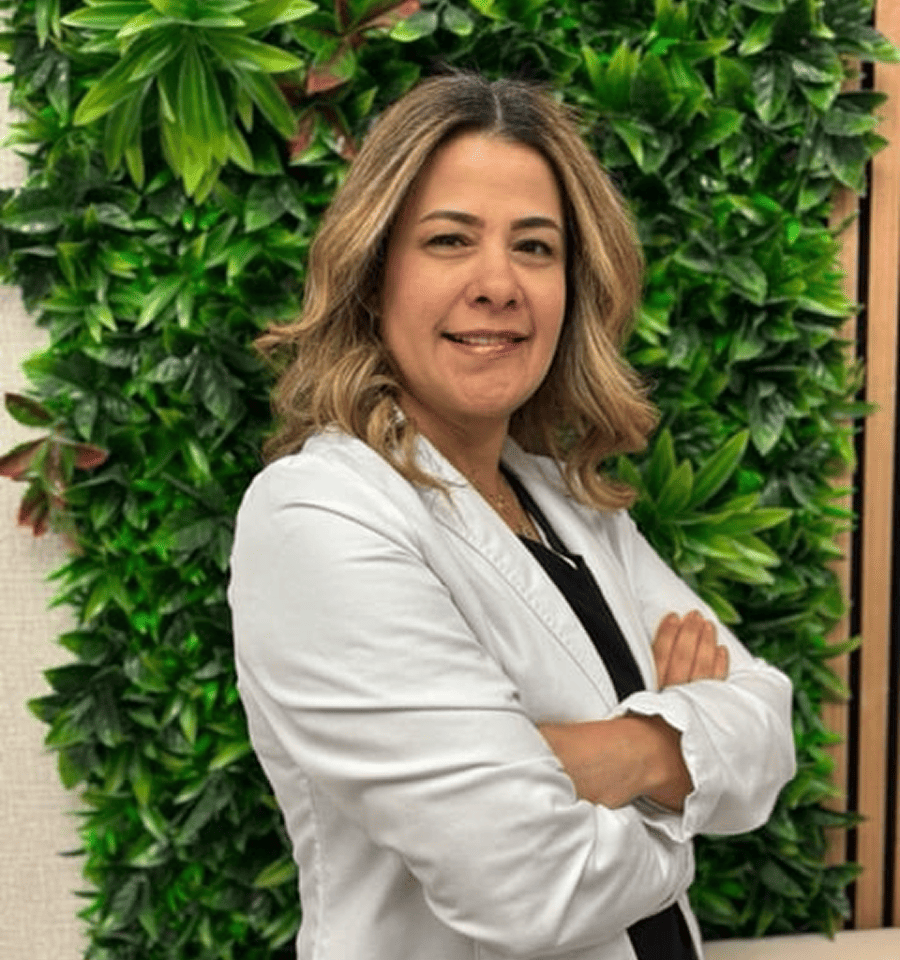
1. Dr. Blanki Cherubini — Rhode Island
Dr. Blanki Cherubini is recognized as a leading pain management specialist in the United States and practices at the Pain Center of Rhode Island.

Her clinical focus includes physical medicine, rehabilitation, musculoskeletal conditions, and interventional pain management.
Her areas of expertise include:
- Spine and musculoskeletal pain
- Physical medicine and rehabilitation
- Interventional pain management
- Regenerative treatment approaches
Dr. Cherubini takes a patient-centered and comprehensive approach to pain management.
She focuses on identifying the underlying source of pain and developing personalized treatment plans to improve mobility, function, and quality of life.
2. Dr. Steven P. Cohen — Johns Hopkins Medicine, Maryland
Dr. Steven P. Cohen is a highly regarded pain management specialist and respected leader in pain medicine.
He is a professor at Johns Hopkins Medicine and director of the Blaustein Pain Treatment Center, with extensive experience in anesthesiology, interventional pain care, research, and medical education.
His areas of expertise include:
- Chronic and complex pain
- Interventional pain management
- Nerve blocks
- Radiofrequency ablation
- Advanced pain therapies
His extensive clinical and research experience has made him a well-known name in evidence-based and interventional pain management.
3. Dr. Mark S. Wallace — UC San Diego Health, California
Dr. Mark S. Wallace is a leading and highly respected pain management specialist at UC San Diego Health.
He is a board-certified anesthesiologist and professor of anesthesiology with extensive experience treating chronic and complex pain.
His areas of expertise include:
- Spine and chronic pain
- Neuropathic and nerve pain
- Cancer-related pain
- Neuromodulation
- Intrathecal drug delivery
Known for his expertise in multimodal pain management, Dr. Wallace combines clinical care and research to help patients achieve better pain control and improved daily function.
4. Dr. Asokumar Buvanendran — RUSH University, Illinois
Dr. Asokumar Buvanendran is a highly respected pain management specialist and anesthesiology leader at RUSH University.
He is known for his work in improving pain care while promoting safer and more effective approaches to opioid use.
His areas of expertise include:
- Chronic and acute pain management
- Post-surgical pain
- Opioid-sparing pain treatment
- Interventional pain procedures
- Spinal cord stimulation
His clinical and research work has contributed to advances in modern pain management and strategies for preventing persistent pain after surgery.
5. Dr. Prasad Shirvalkar — UCSF Health, California
Dr. Prasad Shirvalkar is a well-known neurologist and experienced interventional pain specialist at UCSF Health.
His work focuses on complex chronic pain, particularly conditions involving the nervous system.
His areas of expertise include:
- Chronic and neuropathic pain
- Nerve blocks
- Spinal cord stimulation
- Peripheral nerve stimulation
- Neurological pain conditions
Alongside patient care, Dr. Shirvalkar researches how the brain processes chronic pain, helping advance more personalized and innovative approaches to pain treatment.
6. Dr. Daniel J. Clauw — University of Michigan, Michigan
Dr. Daniel J. Clauw is a highly respected pain medicine specialist and leading researcher at the University of Michigan.
He is widely recognized for his work on chronic pain, fibromyalgia, and how the nervous system processes pain.
His areas of expertise include:
- Chronic pain
- Fibromyalgia
- Central sensitization
- Musculoskeletal pain
- Pelvic pain conditions
He also directs the Chronic Pain and Fatigue Research Center, where his research continues to advance the understanding and treatment of complex chronic pain.
7. Dr. Einar Ottestad — Stanford Medicine, California
Dr. Einar Ottestad is an experienced and well-regarded pain management specialist and clinical professor at Stanford Medicine.
His expertise covers both acute and chronic pain, with a strong focus on advanced interventional treatments.
His areas of expertise include:
- Spinal cord stimulation
- Peripheral nerve stimulation
- Intrathecal medications
- Radiofrequency procedures
- Ultrasound-guided pain treatments
His broad experience with advanced pain interventions and neuromodulation makes him a notable specialist for patients with complex pain conditions.
8. Dr. Meredith Barad — Stanford Medicine, California
Dr. Meredith Barad is a highly respected neurologist and headache and pain specialist at Stanford Medicine.
She focuses on complex head and facial pain, combining neurological expertise with comprehensive pain care.
Her areas of expertise include:
- Headache disorders
- Facial and orofacial pain
- Neurological pain conditions
- Multidisciplinary headache care
- Chronic pain management
She also serves as co-director of Stanford’s Orofacial Pain Program and contributes to research on the neurological mechanisms behind pain.
9. Dr. Wenchun Qu — Mayo Clinic, Florida
Dr. Wenchun Qu is a well-regarded physiatrist and pain management specialist at Mayo Clinic in Jacksonville, Florida.
He has extensive experience treating spine, joint, and musculoskeletal pain.
His areas of expertise include:
- Back and neck pain
- Sciatica
- Osteoarthritis
- Degenerative spine conditions
- Interventional pain procedures
Dr. Qu also has experience with injections and radiofrequency ablation and has contributed to research involving regenerative approaches to musculoskeletal and spine pain.
10. Dr. Halena M. Enke — Mayo Clinic, Minnesota
Dr. Halena M. Enke is an experienced pain medicine and palliative care specialist at Mayo Clinic in Rochester, Minnesota.
Her work covers both complex pain management and comprehensive care for patients with serious illnesses.
Her areas of expertise include:
- Chronic and acute pain
- Cancer-related pain
- Spine pain
- Interventional pain procedures
- Neuromodulation
- Opioid stewardship
Her clinical, educational, and research work supports safe, comprehensive, and patient-centered approaches to pain management.
What Does a Pain Management Specialist Do?
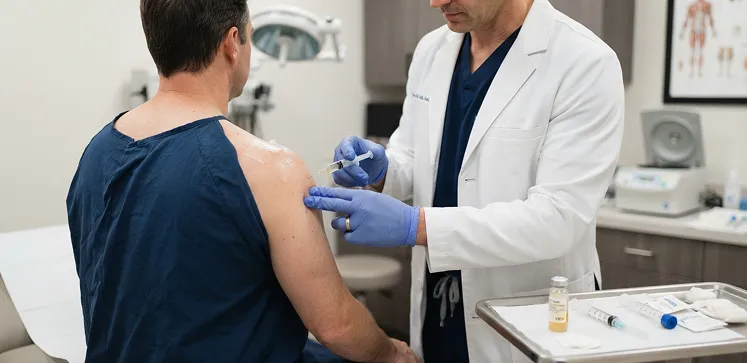
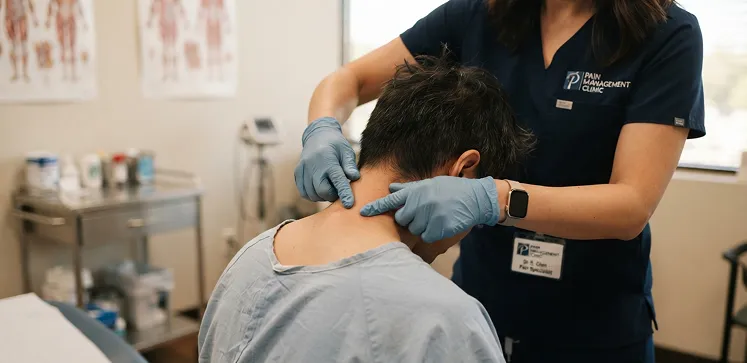
A pain management specialist evaluates the source and characteristics of pain and develops a treatment strategy designed to improve comfort and function.
Depending on the patient’s condition, a pain physician may:
- Perform a detailed pain evaluation
- Review medical records and diagnostic imaging
- Identify possible nerve, muscle, joint, or spinal causes
- Recommend medications when appropriate
- Perform injections or nerve blocks
- Use image-guided pain procedures
- Recommend physical therapy or rehabilitation
- Provide nerve stimulation or neuromodulation
- Coordinate care with other specialists
- Help patients manage long-term or complex pain
The goal is generally not just to reduce a pain score but to help the patient move better, sleep better, and return to daily activities.
What Conditions Do Pain Management Specialists Treat?
Pain specialists treat many acute, chronic, and complex conditions. Common examples include:
- Chronic back and neck pain
- Sciatica and radicular pain
- Arthritis-related pain
- Neuropathic or nerve pain
- Fibromyalgia
- Headaches and facial pain
- Complex regional pain syndrome
- Joint and musculoskeletal pain
- Cancer-related pain
- Post-surgical pain
- Spinal pain
- Sports and injury-related pain
The exact conditions treated depend on the physician’s specialty and clinical expertise.
Pain Management Treatments and Procedures
Pain treatment is highly individualized. A specialist may recommend one treatment or combine several approaches.
Common options include:
- Prescription and nonprescription medications
- Physical therapy and rehabilitation
- Epidural steroid injections
- Facet joint injections
- Nerve blocks
- Radiofrequency ablation
- Trigger-point injections
- Spinal cord stimulation
- Peripheral nerve stimulation
- Intrathecal drug delivery
- Regenerative medicine in selected cases
- Psychological and behavioral pain management
Advanced procedures are not appropriate for everyone. A specialist should first determine whether the expected benefits outweigh the risks.
How to Choose the Best Pain Management Specialist
There is no single “best” pain doctor for every patient. The right choice depends on your condition, location, treatment goals, insurance, and previous medical history.
Before scheduling an appointment, consider:
- Board certification and training — Look for appropriate specialty training and pain medicine credentials.
- Area of expertise — Choose someone experienced with your particular type of pain.
- Treatment options — Check whether the practice offers the therapies you may need.
- Hospital or medical center affiliation — Major academic centers may provide access to multidisciplinary teams and clinical research.
- Communication style — You should feel comfortable discussing symptoms, concerns, and treatment goals.
- Insurance and availability — Confirm coverage, appointment availability, and referral requirements.
Questions to Ask a Pain Management Specialist
Taking a few questions to your first appointment can make the consultation more productive.
Consider asking:
- What could be causing my pain?
- Do I need additional diagnostic tests?
- What treatment options are available?
- What are the benefits and risks of each treatment?
- Could physical therapy help?
- Are injections or nerve blocks appropriate for me?
- Are there non-opioid treatment options?
- How long should I expect treatment to take?
- What can I do at home to manage my symptoms?
- When should we consider another treatment if the first one does not work?
Final Verdict
Finding the right pain management specialist can make a significant difference when pain is persistent, complicated, or affecting everyday life. The physicians featured in this list represent different areas of pain medicine, from interventional procedures and neuromodulation to headache care, chronic pain research, rehabilitation, and opioid stewardship.
However, a nationally recognized physician is not automatically the right physician for every patient. Your specific diagnosis and treatment needs should guide your decision.
Before choosing a specialist, review their credentials, clinical focus, treatment options, location, insurance participation, and current appointment information. Most importantly, look for a pain management team that listens carefully, explains your options clearly, and creates a treatment plan based on your individual condition and goals.