Blog

Articles and Resources

Stay informed on the latest in regenerative medicine, stem cell research, and pain management.

Regenerative Medicine

8 min read

What is Regenerative Medicine | The Pain Center of Rhode Island

Regenerative medicine is a field of medicine that focuses on repairing and regenerating damaged tissues using the body’s own cells. This drug-free and non-surgical approach makes it an ideal treatment for many patients who are looking for alternatives to traditional treatments. It can help patients avoid surgery and the need for constant medications. 

Regenexx is one of the main providers in this field, known for its advanced treatments such as image-guided stem cells for regenerative medicine, PRP, and Prolotherapy. They’re treatments aim to restore normal function back to damaged tissues, instead of just managing your symptoms. This is helping thousands of people with chronic pain who want a non-surgical solution to get back to their normal lives. In addition to Regenexx, there are other regenerative medicine solutions such as EMTT, Laser Therapy, and Shockwave Therapy. Depending on your level of pain and the recovery period you are looking for, there is a regenerative medicine treatment that is right for you.

If you would like to speak with our team and get your questions answered, feel free to schedule a call using this Meeting Link

Which Regenerative Medicine Treatment is Right for Me?

Choosing the right advanced regenerative medicine treatment starts with understanding your specific condition and which options are best suited for your lifestyle. To find out what treatment is best for your pain, you should consult a medical professional before deciding on a treatment plan. Whether you are dealing with joint pain, arthritis, a sports injury, or a lingering pain, there is a non-invasive option for you. Below are types of regenerative medicine:

Regenexx Treatments

Regenexx offers a range of treatments that are tailored to your individual needs.  Their goal is to harness the body’s own healing power by using image-guided stem cell and platelet procedures to relieve pain without surgery. 

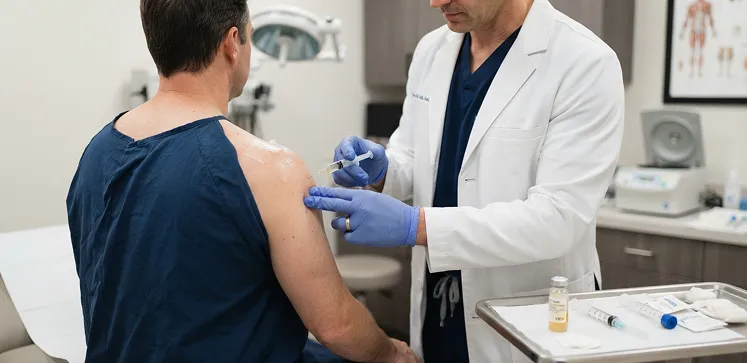
Prolotherapy: Best for patients who are looking for an all-natural treatment, are experiencing mild pain, and can come back for multiple sessions. Prolotherapy is the injection of Dextrose, a sugar solution, which alerts the cells in the affected area to start getting rid of the dextrose, which kickstarts your immune system to start healing the area.

Bone Marrow Concentrate: This is ideal for patients who are experiencing severe chronic pain, have tried many options before with no success, or are looking to avoid surgery. This works because stem cells can turn into any other kind of cell, therefore, they will transform into cells that your body needs to heal. For example, it can heal muscle tears and regenerate damaged cartilage. 

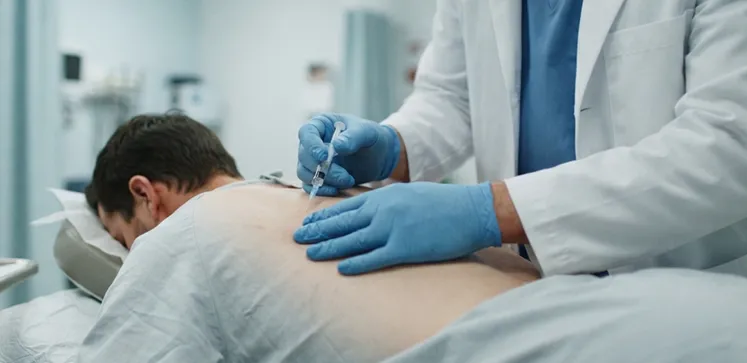
PRP (Platelet Rich Plasma): This procedure is suited for patients who are experiencing mild to severe pain. This treatment is done by extracting your blood, spinning it in the lab where the technician separates and concentrates the platelets, and then injecting them into the affected area. This works because platelets are the part of your blood that works to heal you; therefore, by injecting them into the affected area, it works to heal the damaged cells that are causing the discomfort. While PRP is highly effective on its own, it can give even better results when combined with other treatments as well. When combined with Shockwave Therapy, EMTT, or Laser Therapy, it can boost circulation and accelerate the healing process. Doing physical therapy as well is very helpful in order to get your full, normal mobility back. Many athletes looking for regenerative sports medicine options turn to PRP since it will allow them to recover from an injury quickly and safely. 

Non-Invasive Regenerative Medicine Treatments

Shockwave Therapy: Best for patients who are looking to avoid injections, who have mild to severe pain, and who don’t mind coming in for multiple sessions. Shockwave Therapy works by emitting acoustic pressure waves to the damaged tissue, causing the injured cells to essentially “wake up”. These waves create micro-traumas that stimulate blood flow, increase oxygen levels in cells, and relax tissues. This process triggers the body’s natural healing process, promoting cell regeneration. 

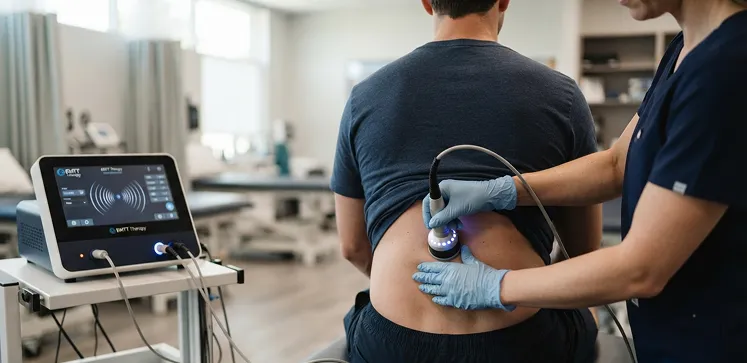
EMTT (Electro Magnetic Transduction Therapy): Best for patients who don’t like injections, who are comfortable coming back for multiple sessions, and who are experiencing mild to moderate pain. Unlike Shockwave Therapy, EMTT machines emit very high magnetic pulses, and don’t have to come in direct contact with the patient. This treatment is especially beneficial for older patients since they will usually feel nothing or only a slight pulling sensation. The process works the same as Shockwave Therapy as it stimulates your cells in the targeted area, to promote the body’s natural healing process. 

Conditions Commonly Treated with Regenerative Medicine:

  • Knee and hip arthritis
  • Rotator cuff tears
  • Tendon injuries
  • Lower back pain
  • ACL and sports-related injuries
  • Overuse Conditions

How much does it cost?

Prices for regenerative medicine range a lot depending on your provider, the number of treatment sessions you get, and how many areas you would like to treat. The average cost of a regenerative medicine treatment is typically between $2000 to $2500. Some clinics may offer packages. For example, at the Pain Center of Rhode Island, we offer a package that includes Prolotherapy, Stem Cells, and PRP. This cost ranges from $5,000-$7,000. We also offer a non-invasive package that includes radial shockwave, focal shockwave, and EMTT for $1,500-2,500

For more information on pricing and packages, feel free to schedule a meeting with our staff. 

Regenerative Medicine for Sports

Regenerative medicine offers many treatments for sport-related injuries by helping the body repair and regenerate damaged tissues more effectively. Many athletes encounter common injuries to their shoulders, elbows, knees, ankles, back, etc, but don’t want to go through surgery to heal. At The Pain Center of RI, we ensure recovery without surgery, regaining your optimal function, and preventing recurrence with targeted rehabilitation plans. 

Visit our Conditions page to find the area of your body where you’re experiencing pain and explore detailed information about it.”

Why Choose the Pain Center of RI?

If you’re living with chronic pain, joint discomfort, or sports injuries, finding an effective and non-invasive solution can be a struggle. At The Pain Center of Rhode Island, we offer an advanced approach to pain management that heals the root of the problem rather than just managing your symptoms. 

We are a proud partner of Regenexx, a nationally recognized regenerative medicine research center that provides us with the equipment needed to successfully perform Stem Cell, PRP, and prolotherapy procedures. 

We also offer non-invasive regenerative medicine treatments such as EMTT, Shockwave Therapy, and Laser therapy. Whether you are dealing with chronic pain, joint discomfort, or arthritis, there is a treatment for you that is designed to help your body actually recover. 

The clinic is led by  Dr. Blanki Cherubini, who is Board Certified in Physical Medicine and Rehabilitation and has extensive training in regenerative treatments. Dr. Cherubini takes time to listen, ask questions, and get to the root of your pain.

“This place, these procedures, these people, have given me my life back” – Kerri Cooper, Regenerative Medicine Patient 

Watch Kerri Cooper’s inspirational story and other patient videos on our Testimonials Page

Common Patient FAQ’s

  • How much does it cost?
      • Pricing depends on how many treatments you get, how many body parts, or how much blood or bone marrow we need to draw, which is all based on what the doctor recommends. On average, patients will pay between 1,500 and 2,500 for their full treatment. 
  • Can I pay per treatment, or do I have to pay all upfront? 
      • We typically don’t allow patients to pay per treatment because, in order to see the best results, we encourage our patients to complete the full treatment plan outlined by the doctor. However, you can always work out a pricing plan with our technician when you come in for your evaluation. 
  • Is the evaluation FREE?
    • The evaluation is covered by insurance, but you may still have a copay or deductible (based on your insurance plan)
  • What happens at the first appointment?
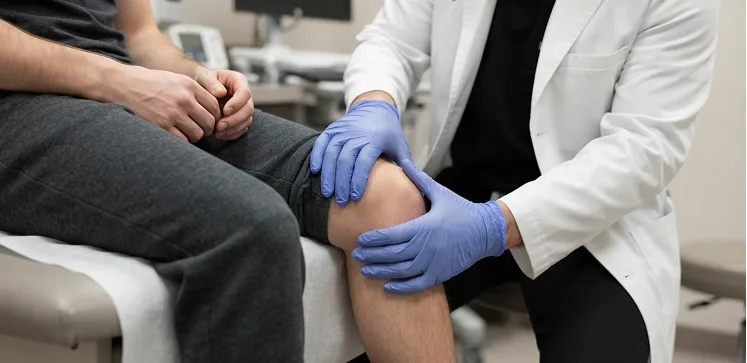
    • At your first appointment, Dr Cherubini will do a comprehensive evaluation to get a full understanding of your pain. We recommend you bring your most recent X-ray or MRI; this way, Dr Cherubini can get the best look at what treatment is right for you. From there, she recommends a personalized treatment plan based on your goals and needs.
  • How long does it take to feel the effects? 
      • It depends on the treatments; some patients feel relief after 1 session of shockwave, but on average, for all our regenerative medicine treatments, it will take about 6 – 12 weeks to feel the full effects. This is because your body is going through the process of regenerating your cells, which takes some time. 
  • What are some common conditions you treat?
      • We treat a wide range of conditions, which include arthritis, plantar fasciitis, sports injuries, chronic pain, joint pain, etc.
  • Do we take HSA or FSA?
    • Yes, we take HSA and FSA to pay for our treatments

Start your journey to feeling better today. 

Schedule a quick call with our team to get your questions answered and explore treatment options tailored to you. We’ll walk you through pricing, packages, and what to expect, and you’ll get priority access to our doctor’s schedule so we can start helping you as soon as possible.

PRP

What is PRP? | Pain Center of Rhode Island

Platelet-Rich Plasma (PRP) is a minimally invasive treatment that harnesses your body’s natural healing ability to accelerate recovery, reduce pain, enhance function, and repair damaged tissue. The process involves drawing a sample of your blood, then using our in-house laboratory to separate the platelet-rich plasma from the other blood components.

We proudly partner with Regenexx—the leader in PRP research and innovation. Through their proprietary technology, we’re able to offer some of the highest-quality PRP treatments available today.

If you would like to speak with our team and get your questions answered, feel free to schedule a call using this Meeting Link


What is Plasma?

Plasma plays a vital role in your body’s healing process. It is the part of your blood that rushes to repair tissue after an injury. When you scrape your knee, it’s the plasma that gets to work restoring the damaged skin cells. That same healing mechanism is now being used to target deeper orthopedic injuries.

By isolating this powerful component and injecting it directly into areas causing pain, we allow your body to heal itself naturally and effectively.

Many common orthopedic issues that typically require surgery or long-term medication management can now be treated using your body’s own plasma.


Is PRP right for you?

PRP may be an ideal solution if you’re looking to recover faster from an injury, optimize your physical performance, or manage a chronic condition—without the risks and downtime of surgery.

Because it’s a minimally invasive treatment, PRP offers significantly shorter recovery times compared to traditional surgical options. Our patients are able to return to their normal activities sooner and with less disruption to their lives.


Common Conditions Treated With PRP Therapy

Extensive research shows PRP is effective for a wide range of orthopedic and musculoskeletal conditions. Below are some of the most common diagnoses we treat using PRP:

Knee Arthritis

Many of our patients suffer from knee arthritis that severely limits their mobility. Kerri Cooper was one such patient, struggling with debilitating pain. After undergoing PRP treatment, she reported feeling more than 90% improvement in her symptoms.

Watch Kerri Cooper’s Inspiring Story

Hip Arthritis

Hip replacement is often recommended to people over 60 with severe arthritis. One of our patients, Marlene Groves, was told she would eventually need a hip replacement. Instead of waiting in pain, she chose PRP treatment at the Pain Center of Rhode Island. She now reports a 90% improvement in her symptoms.

Watch Marlene Groves Inspiring Story 

Lower Back Pain: 

In a comprehensive  Systematic Review of Platelet-Rich Plasma for Low Back Pain, researchers analyzed hundreds of studies evaluating PRP’s effectiveness in treating lumbar conditions and degenerative disc disease. The results were consistent: PRP significantly reduces back pain, improves mobility, and enhances quality of life, with no clinically significant side effects.

Shoulder Pain (Rotator Cuff Tears):

New research is shedding light on PRP’s effectiveness compared to traditional treatments like physical therapy and surgery. In a recent study on PRP for Rotator Cuff Injuries, researchers concluded that PRP therapy is promising for treating rotator cuff injuries, offering potential benefits in accelerating healing, reducing pain, and improving functional outcomes. This makes PRP a strong alternative or complement to conventional therapies.

ACL Tears: 

ACL tears affect over 100,000 people annually. Unfortunately, many patients who undergo surgery never regain full function, as the reconstructed ACL lacks the integrity of the original. PRP offers a compelling option by supporting your body’s natural healing processes to repair the original ligament tissue when possible.

In this article, you will find out more about the effectiveness of PRP.


PRP for Sports 

PRP is widely used among athletes who want to recover from injuries without undergoing surgery. It is especially effective for tendon injuries (like tennis elbow, jumper’s knee, and Achilles tendinitis) and ligament tears (like ACL or rotator cuff).

Unlike cortisone injections that only mask pain, PRP encourages true regeneration and healing at the cellular level.

We work with many athletes seeking to restore peak performance or recover after injury. If you’re interested in learning more, schedule a call with our PRP team. 


How much does PRP cost?

PRP can be costly because of the advanced machinery, lab processing, and the time required for our doctor and her staff to complete the treatment. As well, PRP costs can range dramatically based on your area of pain, the level of pain you are experiencing, the amount of blood that we have to extract, and the number of injections you need. 

On the low end, patients can expect to pay around $1,500, but prices can go above $5,000.  We understand this is a large investment for people to make in the health of their bodies. Which is why we offer payment plans through Care Credit and will try our best to schedule your treatments in a way where you incur the lowest amount of lab fees. 


What are the risks or side effects?

PRP is considered extremely safe because it uses your own plasma. However, as with any injection-based procedure, there are potential risks, including:

  • Mild pain or discomfort at the injection site
  • Infection
  • Nerve injury
  • Tissue irritation or damage

At the Pain Center of Rhode Island, we follow rigorous safety protocols to ensure each treatment is delivered with the highest standard of care.


Why choose us 

At the Pain Center of Rhode Island, we are proud to be on the cutting edge of regenerative medicine. We constantly seek ways to improve patient outcomes and refine our techniques.

We are honored by the hundreds of 5-star reviews we’ve received and the patients who have shared their journeys through testimonial videos.

Our close partnership with Regenexx is at the heart of what we do. Regenexx supplies our lab systems and trains our staff in best practices. They were the first in the world to use bone marrow concentrate stem cells for orthopedic treatment and have led the charge in PRP innovation ever since.

Their comprehensive patient registry and decades of data offer real-world evidence of the long-term success of PRP and regenerative therapies.


Combining PRP with other treatments 

PRP is highly effective on its own, but when combined with other advanced therapies, it can offer even greater results.

We take a comprehensive, multimodal approach to pain management. PRP is often paired with:


 Discover the benefits of Platelet-Rich Plasma therapy (PRP) at the Pain Center of Rhode Island. Our expert team can provide detailed insights into the efficacy of PRP for various medical conditions. If you’re considering PRP or want to learn more about how it could help your specific condition, we invite you to schedule a consultation with our team. If you’re considering PRP or want to learn more about how it could help your specific condition, we invite you to schedule a consultation with our team.

Let’s explore the power of your body’s natural healing—together.


5 Physical Therapy Exercises for Lower Back Pain | Pain Center Of Rhode Island

Low back pain ​(LBP) is a prevalent condition affecting a significant portion of the global population. In 2021, it was estimated that over 551 million people were affected by low back pain, making it the highest contributor to disability worldwide. 

At the Pain Center of Rhode Island (PCRI), we combine expert physical therapy exercises for lower back pain with cutting-edge treatments in PRP, sports medicine, and shockwave therapy. Our comprehensive physical therapy is led by our experienced specialist, Sheila Maguire. She provides personalized care to help patients achieve lasting relief and improved function. 

What Is Physical Therapy?

Physical therapy (PT) is a healthcare specialty focused on restoring movement, improving function, and relieving pain. It uses targeted exercises such as core stability, flexibility, strength training, manual therapy, and education to address various conditions. 

At PCRI, physical therapy is an integral part of our multidisciplinary approach to care, working in harmony with treatments like PRP and Shockwave Therapy to optimize recovery.

Who Needs Physical Therapy?

Physical therapy is beneficial for people experiencing:

  • Acute or chronic pain in areas like the back, neck, or joints.
  • Sports injuries such as sprains, strains, or tendonitis.
  • Post-surgical recovery, including spinal surgery or joint replacements.
  • Repetitive strain injuries, such as lifting, twisting, reaching, and bending 
  • Conditions such as:
    • Sciatica 
    • Arthritis
    • degenerative disc disease
    • Scoliosis
    • EDS
    • Lyme disease
    • Autoimmune disease 
  • Movement impairments are caused by: 
    • poor posture
    • Injury
    • muscle imbalances
    • neurological disorders
    • Lower body injuries
  • Accidents and work injuries

Whether you’re an adult or child athlete recovering from an injury, a child with a musculoskeletal disease, an active adult managing chronic pain, or a patient seeking to complement regenerative therapies, physical therapy is a cornerstone of recovery.

How to Prepare for Physical Therapy

Preparing for physical therapy is simple but essential for a smooth experience:

  1. Have a referral from your doctor. If you haven’t yet seen a doctor, make an appointment with us.
  2. Know Your Goals: Common Goals:
    1. reducing pain
    2. regaining strength
    3. returning to daily activities
    4. Returning to sports or work
    5. reducing fall risks
    6. regaining balance
    7. Improving your walking pattern
  3. Bring Medical Information: Share relevant medical history
    1. Imaging
    2. Previous treatment notes with your previous physical therapist
    3. List of medications
  4. Stay Hydrated: Hydration helps with muscle recovery and performance during exercises.
  5. Ask Questions: Feel free to ask about your treatment plan or express concerns during your visit.

What Should I Wear to Physical Therapy?

Comfortable, loose-fitting clothing is ideal for physical therapy. Depending on the area being treated, consider:

  • Athletic shorts or leggings for lower body therapy.
  • A tank top or loose T-shirt for upper body work.
  • Wear supportive, closed-toe shoes like sneakers.

Your therapist may need to access specific areas related to your injury, so wear something that allows easy movement and flexibility.

Our Comprehensive Approach to Physical Therapy

In-House Physical Therapy Services

At PCRI, we’re proud to offer in-house physical therapy to complement our regenerative medicine, sports medicine, and shockwave therapy treatments. By integrating these services, we ensure seamless communication among our care team and a unified approach to recovery.

Meet Sheila Maguire

Our lead physical therapist, Sheila Maguire, brings years of expertise and dedication to patient care. She will help you break the cycle of pain. Sheila specializes in treating back pain, sports injuries, and chronic conditions with evidence-based techniques tailored to each patient. Her holistic approach ensures that your physical therapy program is both effective and empowering.

Sheila is particularly skilled in combining manual therapy, therapeutic exercises, and patient education to achieve optimal results. Her experience working with patients of all ages and activity levels makes her a trusted partner in recovery, whether you’re a weekend warrior or a professional athlete.

Examples of Individualized Treatment Plans and Exercises for Lower Back Pain

At PCRI, every treatment plan is customized to fit your needs. Examples include:

  • Chronic Spinal Conditions: 
    • For someone with Chronic Spinal Conditions, we might start them on heat and an electrical stimulation unit, then we would apply soft tissue massaging and cupping, followed by strength and flexibility training exercises (view examples below)
  • Sports Medicine-Focused Therapy
    • Similar to chronic spinal conditions we would begin with heat therapies, massages, and cupping, we would then combine passive stretching with strength training, balance exercises, and mobility drills. Lastly, we make use of tape for stability and work to improve the specific motions for your sport by simulating your sports activity. This treatment plan is designed to help athletes recover quickly and prevent re-injury.
  • Regenerative Therapy / Post-Surgical Back Pain Care
    • This treatment plan would follow protocols and post-treatment recommendations by the doctor who is referring you to therapy. Therapies that complement PRP (Platelet-Rich Plasma) or surgeries are designed to improve strength and mobility while minimizing discomfort. 

*To achieve optimal healing after PRP or Surgery, Sheila is here to guide you through the doctor’s personalized treatment protocol. Sheila will also follow up through phone calls and emails as needed to help you with your recovery process*

Examples of Common Physical Therapy Exercises for Lower Back Pain

During physical therapy, we guide patients through targeted exercises, including:

  • Common for beginners: 
  • Basic: Pelvic tilt, piriformis stretch, bridging, calf stretch, hamstring stretch
  • Pilates and yoga: Sheila is trained in modifying pilates and yoga exercises to help heal back. Examples include Cat Cow Stretch and Childs Pose.
    • Connective Tissue workouts: Reaching your end range of motion, ball rolls, foot stretching, single leg standing. Watch this video to learn more.
    • Core Stabilization: To strengthen the muscles supporting your spine.
  • Mid-level:
    • Seated stationary bike exercises
    • Yoga Ball Exercises
    • Light Weight exercises
  • Advanced for heavier lifting: 
    • Tonal Machine
    • Quadruped Arm/Leg Raises (Bird Dog) To improve balance and spinal stability.
    • Planks 
  • McKenzie Extension Exercises: To alleviate herniated disc symptoms

These exercises are simple, effective, and evolve as your condition improves.

Best Tips from Sheila Maguire

Sheila shares her top advice for managing back pain and maximizing physical therapy benefits:

  1. Lifestyle modifications: 
    1. Sheila is trained to advise you on how to modify your work, life, sports, and daily activities to do them appropriately. Examples include designing your workstation to reduce your specific pains. She may recommend standing decks, seat cushions, wrist supports, etc…
  2. Stay Consistent: Slow and steady commitment produces the best results. Regular attendance and at-home practice are crucial for success. Don’t expect overnight 
  3. Your toolbox: Keep these items at home to be ready for anything life throws at you:
    1. Biofreeze
    2. Hotpack
    3. massage gun
    4. yoga mat
    5. Support pillows
    6. Yoga Strap 
  4. Manage your stress at home: We can help you take control of youre pain so that you can take control of your life
  5. Focus on Posture: Small adjustments can make a big difference in reducing strain.
  6. Listen to Your Body: Explore your limit. Your body is capable of much more than you might think. Strength is often the key to reducing pain, but don’t forget to stop if you feel sharp or unusual pain.
  7. Hydrate and Rest: Recovery isn’t just about exercise; it’s about supporting your body holistically. Prioritize your sleep! Your body heals while you’re sleeping 

Best At-Home Physical Therapy Exercises for Lower Back Pain to Try

To support your recovery, incorporate these at-home exercises (as approved by your therapist): 

HAMSTRING STRETCH

  • While lying on your back, raise your leg and hold the back of your knee. Pull the leg upwards until you feel a stretch. Hold, relax, and repeat.

Bridging

  • Lie down on your back with your knees bent and your feet flat on the ground. Roll up into a bridge, buttock first, as pictured. Then, slowly lower back down, one vertebrae at a time, buttock hits the ground last.

DOUBLE LEG HEEL RAISES WITH SUPPORT – CALF RAISES

  • While standing next to a chair or countertop for support, raise your toes as you lift your heels off the ground. Return your heels to the floor and repeat. 

Testimonials from Our Patients

We’re proud of the results our patients achieve and invite you to explore their success stories. Check out our Goole Reviews Page and search for Sheila to see how our in-house physical therapy has improved lives.

Come in for an Evaluation

If you’re experiencing back pain or looking for a physical therapy program tailored to your needs, the Pain Center of Rhode Island is here to help. From sports injuries to chronic conditions, we offer expert care designed to complement our advanced medical treatments.

Schedule an evaluation today and take the first step toward lasting relief and recovery. Together, we’ll create a plan to help you move better, feel stronger, and live pain-free.

Contact us now to learn more or book your appointment!

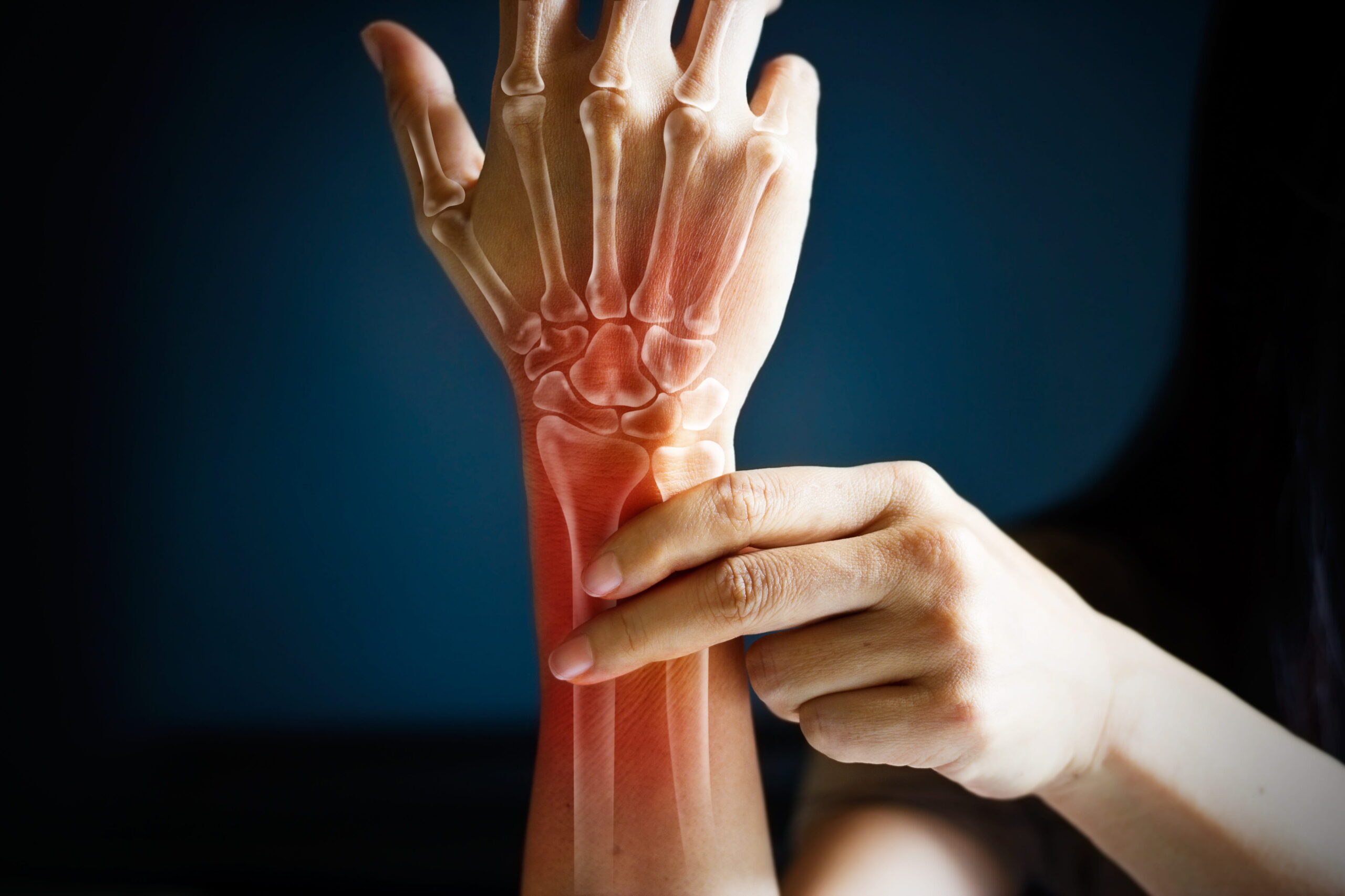
Wrist Pain Hand Pain

Healing Wrist Pain & Hand Pain at The Pain Center of Rhode Island

At The Pain Center of Rhode Island, we specialize in treating hand and wrist pain with a holistic, cutting-edge approach. Utilizing therapies such as Shockwave Therapy, Extracorporeal Magnetotransduction Therapy (EMTT), Platelet-Rich Plasma (PRP), Bone Marrow Aspirate Concentrate (BMAC), Prolotherapy, and Physical Therapy, we target a variety of conditions, including:

  • Hand/ wrist Osteoarthritis
  • Carpal Tunnel Syndrome
  • Cubital Tunnel Syndrome
  • Radial Tunnel Syndrome
  • De Quervain’s Tenosynovitis
  • Trigger Finger
  • Ganglion Cyst
  • Wrist Sprains and Tendon Injuries
  • Post-Traumatic Hand and Wrist Pain

Schedule a call with our staff to get your questions and concerns answered!

Understanding Hand & Wrist Pain

Hand and wrist pain affects nearly 10-24% of the population. This pain can significantly impair daily activities like typing, gripping, or lifting, often leading to frustration and a diminished quality of life. Our tailored approach to knee pain management is designed to:

  • Enhancing joint stability and improving range of motion in the hand and wrist
  • Alleviating pain and reducing inflammation in the affected joints, tendons, and surrounding tissues
  • Addressing root causes such as cartilage damage, ligament instability, repetitive strain injuries, or tendonitis
  • Developing a sustainable plan for maintaining long-term hand and wrist health

Hand & Wrist Pain in Athletes

Athletes at all levels often face hand and wrist injuries due to falls, impacts, or repetitive stress. Sports like gymnastics, tennis, and rock climbing are common culprits. Conditions such as tendonitis, sprains, or fractures can sideline athletes and disrupt performance.  At the Pain Center of Rhode Island, we treat sports-related injuries with cutting-edge therapies that many other clinics in Rhode Island don’t offer together. Our approach is focused on addressing the root causes of pain and dysfunction to help athletes:

  • Recover quickly without surgery.
  • Regain optimal function and strength.
  • Prevent recurrence with targeted rehabilitation plans.

Physical Therapy for Hand / Wrist pain

At the Pain Center of Rhode Island, Sheila Maguire leads our physical therapy program, providing tailored care for hip and pelvic pain. Sheila’s expertise ensures that every patient receives a plan suited to their unique condition and goals.

Common treatments / exercises 

  • Grip strength 
  • Passive range of motion
  • Finger web exercises 
  • Wrist rotations

“Common household activities like cooking, cleaning, and typing can cause pain. We’ll help you find the optimal ways to do these activities to reduce discomfort and strain.” – Sheila Maguire

EMTT, Shockwave, and Laser Therapy

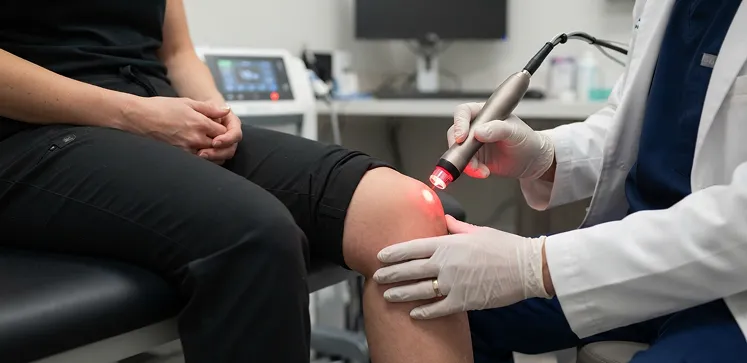
The Pain Center of Rhode Island is proud to be the only clinic in Rhode Island to offer the unique combination of Radial Shockwaves for surface-level pain covering a large area. Focused Shockwaves for targeting deep into tissue and muscle pains. EMTT for large areas and patient comfort. The combination of these non-invasive treatments have shown excellent results in managing wrist and ankle pain. In addition, we also offer Red Laser Therapy which triggers photobiomodulation to repair tissues, reduce inflammation, and increase blood flow.

  • Peer-reviewed studies show that Shockwave Therapy delivers remarkable results for conditions like Trigger Finger, significantly reducing pain and restoring function to help patients regain their quality of life. (Source

PRP, Prolotherapy, and Bone Marrow Concentrate 

Our regenerative therapies are designed to leverage the body’s natural healing capabilities. By using Platelet-Rich Plasma (PRP) or Bone Marrow Concentrate, we help repair damaged tissues and reduce inflammation. Dr. Cherubini is an expert in regenerative medicine. She ensures each treatment is precisely administered to achieve optimal results. 

  • Peer-reviewed studies indicate that Bone Marrow concentrate had positive outcomes in lowering symptoms and improving function for patients with pain related to osteoarthritis in the hand (Source)

As a proud partner of Regenexx, we offer data-driven patient outcome data for foot procedures, ensuring evidence-based care. Curious about these treatments? Discover if you qualify as a Regenexx candidate by completing this form.

Testimonials

While clinical outcomes demonstrate the effectiveness of our treatments, patient experiences highlight the impact of our care. These testimonials inspire us to remain committed to our patients’ wellness journeys and ensure their long-term success.

Schedule a call

If you have questions about treatments, prices, and scheduling an evaluation, schedule a call to get your questions and concerns answered. 


Sources:

  1. BMC Musculoskeletal Disorders. (2019). The prevalence and impact of hand and wrist pain in the general population. BMC Musculoskeletal Disorders, 20(1), 290. https://bmcmusculoskeletdisord.biomedcentral.com/articles/10.1186/s12891-019-2902-8?utm_source=chatgpt.com
  2. Archives of Physical Medicine and Rehabilitation. (2021). Advances in the management of wrist pain: A comprehensive review. Archives of Physical Medicine and Rehabilitation, 102(9), 1761–1769. https://www.archives-pmr.org/article/S0003-9993(21)00374-9/abstract?utm_source=chatgpt.com
  3. PubMed. (2013). Understanding the etiology and management of hand pain in clinical settings. PubMed, 239(49), 564. https://pubmed.ncbi.nlm.nih.gov/23949564/
foot pain / ankle pain

Healing Foot Pain & Ankle Pain At The Pain Center of Rhode Island

At The Pain Center of Rhode Island, we specialize in treating foot pain and ankle pain with a holistic, cutting-edge approach. Utilizing therapies such as Shockwave Therapy, EMTT, Red Laser Therapy, Physical Therapy, Prolotherapy, PRP, and Bone Marrow Concentrate, we target a variety of conditions, including:

    • Plantar Fasciitis
    • Achilles Tendinopathy
    • Ankle Sprains
    • Posterior Tibial Tendon Dysfunction (PTTD)
    • Morton’s Neuroma
    • Osteoarthritis of the Foot and Ankle
    • Tarsal Tunnel Syndrome
    • Retrocalcaneal Bursitis

Schedule a call with our staff to get your questions and concerns answered!

Understanding Foot & Ankle Pain

Foot and ankle pain affects approximately 20% of adults in middle and old age. Daily activities like walking, working, and exercising become nightmares for those with severe pain. With countless expensive shoes claiming to solve foot problems, many individuals lose hope of finding real relief. However, there’s a better way to address and overcome your pain, and today, we aim to guide you toward lasting solutions.

Our specialized approach to managing foot and ankle pain focuses on:

  • Enhancing joint stability and improving range of motion in the foot and ankle
  • Alleviating pain and reducing inflammation in the affected joints, muscles, and surrounding tissues
  • Addressing root causes such as cartilage damage, ligament instability, or overuse injuries
  • Developing a sustainable plan for maintaining long-term foot and ankle health

Foot & Ankle Pain in Athletes

Athletes at all levels are particularly susceptible to foot and ankle injuries due to repetitive stress and high-impact activities. Sports like basketball, running, and tennis can lead to conditions such as Achilles tendinopathy or stress fractures. ns such as tendonitis, sprains, or fractures can sideline athletes and disrupt performance. At the Pain Center of Rhode Island, we treat sports-related injuries with cutting-edge therapies that many other clinics in Rhode Island don’t offer together.

Our approach integrates advanced therapies to help athletes:

  • Recover effectively without surgery.
  • Regain optimal function and strength.
  • Prevent recurrence with targeted rehabilitation plans  

Physical Therapy for Foot & Ankle Pain

At the Pain Center of Rhode Island, we recognize the essential role of physical therapy in foot/ankle pain recovery. To ensure optimal outcomes, we provide an in-house, specialized program led by Sheila Maguire. Whether it serves as the primary treatment or complements other interventions, Sheila creates individualized plans tailored to your needs.

Common exercises and treatments:

  • Calf stretching 
  • Standing balance 
  • Foot intrinsic muscle strengthening 

Common Misconceptions About Foot Pain:

  • Believing that being barefoot worsens the pain.
  • Thinking that an expensive pair of shoes or custom orthotics will fully heal the pain.

“In reality, strengthening a bare foot can be crucial for pain relief. Part of my role is to assess the footwear you’re currently using, as sometimes the shoes you’re wearing can actually contribute to discomfort” – Sheila Maguire

EMTT, Shockwave, and Laser Therapy

The Pain Center of Rhode Island is proud to be the only clinic in Rhode Island to offer the unique combination of Radial Shockwaves for surface level pain covering a large area. Focused Shockwaves for targeting deep into tissue and muscle pains. EMTT for large areas and patient comfort. These non-invasive treatments have shown excellent results in managing chronic foot and ankle pain. In addition we also offer Red Laser Therapy which triggers photobiomodulation to repair tissues, reduce inflammation, and increase blood flow.

Shockwave therapy is especially effective for treating plantar fasciitis. A study involving 78 patients, published in the Journal of Foot & Ankle Surgery, revealed that 87% reported shockwave therapy as successful, with 76% able to resume running activities.

(We summarize another research study in this article we wrote)

PRP, Prolotherapy, and Bone Marrow Concentrate

Our regenerative therapies are designed to leverage the body’s natural healing capabilities. By using Platelet-Rich Plasma (PRP) or Bone Marrow Concentrate, we help repair damaged tissues and reduce inflammation. Dr. Cherubini is an expert in regenerative medicine. She ensures each treatment is precisely administered to achieve optimal results. 

Evidence of effectiveness:

  • “Bone Marrow Concentrate improved function and reduced foot and ankle pain and showed no serious adverse effects” (Source)
  • “Participants with Chronic Ankle Instability receiving Prolotherapy injections improved self-reported ankle stability and experienced fewer re-sprains at 52 weeks.” (Source)

As a proud partner of Regenexx, we offer data-driven patient outcome data for foot procedures, ensuring evidence-based care. Curious about these treatments? Discover if you qualify as a Regenexx candidate by completing this form.

Testimonials

While clinical outcomes demonstrate the effectiveness of our treatments, patient experiences highlight the impact of our care. These testimonials inspire us to remain committed to our patients’ wellness journeys and ensure their long-term success.

Schedule a call

If you have questions about treatments, prices, and scheduling an evaluation, schedule a call to get your questions and concerns answered. 


Sources

  1. Thomas, M. J., Roddy, E., Zhang, W., & Menz, H. B. (2011). The population prevalence of foot and ankle pain: Prevalence and associated factors. PAIN, 152(12), 2767–2772. Retrieved from https://journals.lww.com/pain/Abstract/2011/12000/The_population_prevalence_of_foot_and_ankle_pain.28.aspx?utm_source=chatgpt.com
  2. American College of Foot and Ankle Surgeons. (2017). Current perspectives on the management of ankle arthritis. Journal of Foot and Ankle Surgery, 56(6), 1181–1187. Retrieved from https://www.jfas.org/article/S1067-2516(17)30681-6/abstract?utm_source=chatgpt.com
  3. Arthroscopy Association of North America. (2022). Advanced techniques in foot and ankle arthroscopy. Arthroscopy: The Journal of Arthroscopic and Related Surgery, 38(12), 3014–3023. Retrieved from https://www.arthroscopyjournal.org/article/S0749-8063(22)00778-2/abstract
  4. Annals of Family Medicine. (2022). Foot and ankle pain in primary care: An evidence-based review. Annals of Family Medicine, 22(Suppl 1), 6688. Retrieved from https://www.annfammed.org/content/22/Supplement_1/6688?utm_source=chatgpt.com
  5. National Library of Medicine. (2018). Efficacy of shockwave therapy in musculoskeletal disorders: A meta-analysis of clinical studies. PubMed Central. Retrieved from https://www.ncbi.nlm.nih.gov/pmc/articles/PMC6029898/
Hip Pain

Healing Hip Pain and Pelvic Pain At The Pain Center of Rhode Island

At The Pain Center of Rhode Island, we specialize in treating hip and pelvic pain with a comprehensive, cutting-edge approach. Utilizing therapies such as Shockwaves, EMTT, Red Laser, Physical Therapy, Prolotherapy, PRP, and Bone Marrow Concentrate, we target a variety of conditions, including:

  • Hip Osteoarthritis
  • Piriformis Syndrome
  • Greater Trochanteric Bursitis
  • Labrum Tear
  • Ischial Bursitis
  • Sacroiliac Joint Dysfunction (SI Joint Pain)

Schedule a call with our staff to get your questions and concerns answered!

Understanding Hip & Pelvis Pain

The prevalence of hip pain in the general population is 10% (1 in 10 people), and it increases up to 25% above the age of 85. This type of pain can disrupt mobility, posture, and quality of life. Common causes include repetitive strain injuries from activities like running, cycling, or high-impact sports; poor posture or prolonged sitting, particularly among office workers and students; pregnancy-related changes that affect the pelvis and hips; and age-related degeneration, such as arthritis or labral tears.

At our clinic, we tailor treatments to address the underlying cause of your pain, focusing on:

  • Enhancing joint stability and improving range of motion in the hip and pelvic region
  • Alleviating pain and reducing inflammation in the hip joint, pelvic muscles, and surrounding structures
  • Addressing root causes such as cartilage damage, ligament instability, or muscle imbalances
  • Developing a sustainable plan for maintaining long-term joint and pelvic health

Hip Pain in Athletes

Athletes often face unique challenges with hip and pelvic injuries due to the repetitive stress placed on these areas. Sports like soccer, tennis, and running can exacerbate conditions like hip flexor strain or labral tears.  At the Pain Center of Rhode Island, we treat sports-related injuries with cutting-edge therapies that many other clinics in Rhode Island don’t offer together.

Our approach integrates advanced therapies to help athletes:

  • Recover effectively without surgery.
  • Regain optimal function and strength.
  • Prevent recurrence with targeted rehabilitation plans

Physical Therapy for Hip & Pelvic Pain

At the Pain Center of Rhode Island, Sheila Maguire leads our physical therapy program, providing tailored care for hip and pelvic pain. Sheila’s expertise ensures that every patient receives a plan suited to their unique condition and goals.

Common exercises and treatments include:

  • Hip rotator stretching and strengthening 
  • IT Bands stretching 
  • Glute strengthening 
  • Correcting Hip alignment 

Common causes for Hip Pain:

  • Sleep Positioning: Improper sleep posture can contribute to hip and pelvic discomfort.
  • Sports: Activities that place significant strain on the lower back and hips can lead to pain in these areas.
  • Prolonged Sitting: Extended periods of sitting, common among students, office workers, and drivers, can cause stiffness and pain in the hips and pelvis.

Pelvic Floor: For women, pelvic pain is often linked to health conditions or events unique to female anatomy such as: 

  • Previous Pregnancy: Changes to the pelvic muscles and ligaments during and after pregnancy.
  • Pelvic Surgery: Procedures that may affect pelvic floor muscles or nerves.
  • Incontinence: Weakness or dysfunction in the pelvic floor muscles.
  • Pelvic Injuries: Trauma to the pelvic area

EMTT, Shockwaves, and Laser Therapy

The Pain Center of Rhode Island is proud to be the only clinic in Rhode Island to offer the unique combination of Radial Shockwaves for surface level pain covering a large area. Focused Shockwaves for targeting deep into tissue and muscle pains. EMTT for large areas and patient comfort. These non-invasive treatments have shown excellent results in managing chronic hip and pelvic pain. In addition we also offer Red Laser Therapy which triggers photobiomodulation to repair tissues, reduce inflammation, and increase blood flow.

What the research says:

  • (Read our summary of the research in this article here)
  • This study shows that Shockwave Therapy  is an effective treatment regimen in individuals with hip pain. This study shows that the success rate of shockwave for musculoskeletal conditions ranged from 65% to 91%
  • This study reports that EMTT works by enhancing cellular metabolism and reducing inflammation, which can promote healing in deeper tissues.

Regenerative Medicine: PRP, Prolotherapy, and Bone Marrow Concentrate

Regenerative medicine has transformed hip and pelvis pain treatment by utilizing the body’s natural healing processes. These minimally invasive options repair damaged tissues and restore joint health without surgery. Dr. Cherubini is an expert in regenerative medicine. She ensures each treatment is precisely administered to achieve optimal results.

Evidence of effectiveness:

  • This study highlights that in patients with early osteoarthritis of the hip, PRP injections significantly improved patient-reported functional outcomes in almost all measured scales at different points in time and up to 12 months after the intervention. 

As a proud partner of Regenexx, we offer data-driven patient outcome data for Hip procedures, ensuring evidence-based care. Curious about these treatments? Discover if you qualify as a Regenexx candidate by completing this form.

Testimonials

While clinical outcomes demonstrate the effectiveness of our treatments, patient experiences highlight the impact of our care. These testimonials inspire us to remain committed to our patients’ wellness journeys and ensure their long-term success.

Schedule a call

If you have questions about treatments, prices, and scheduling an evaluation, schedule a call to get your questions and concerns answered.


Sources

  1. National Library of Medicine. (n.d.). The prevalence of hip pain: A systematic review and analysis. Retrieved from https://pmc.ncbi.nlm.nih.gov/articles/PMC8022067/#:~:text=The%20prevalence%20of%20hip%20pain,%2C%20and%20neuropathies.%5B3%5D
  2. International Journal of Health Sciences Research. (2022). Evaluating hip pain management strategies. IJHSR, 12(12), 240–255. Retrieved from https://www.ijhsr.org/IJHSR_Vol.12_Issue.12_Dec2022/IJHSR30.pdf?utm_source=chatgpt.com
  3. Oxford Academic. (2020). A comprehensive review of hip preservation strategies. Journal of Hip Preservation Surgery, 7(3), 496–509. https://academic.oup.com/jhps/article/7/3/496/5908254?utm_source=chatgpt.com&login=false#241684397
  4. MDPI. (2023). Biomedicine advancements in hip pain treatment. Biomedicines, 12(10), 2269. https://www.mdpi.com/2227-9059/12/10/2269?utm_source=chatgpt.com
  5. Journal of Orthopaedic Surgery and Research. (2012). Innovations in hip surgery and pain management. JOSR, 7, Article 11. https://josr-online.biomedcentral.com/articles/10.1186/1749-799X-7-11?utm_source=chatgpt.com
  6. National Library of Medicine. (2023). Extracorporeal shock wave therapy for hip pain: Evidence-based insights. Retrieved from https://www.ncbi.nlm.nih.gov/pmc/articles/PMC9865373/
Healing Shoulder Pain at The Pain Center of Rhode Island

Healing Elbow Pain At The Pain Center of Rhode Island

At the Pain Center of Rhode Island, we utilize advanced therapies, including Shockwaves, Red Lasers, EMTT, Physical Therapy, Prolotherapy, PRP, and Bone Marrow Concentrate, to deliver holistic care for a wide range of elbow conditions such as:

  • Lateral Epicondylitis (Tennis Elbow)
  • Medial Epicondylitis (Golfer’s Elbow)
  • Olecranon Bursitis
  • Elbow Osteoarthritis
  • Ligament Sprains or Tears
  • Post-surgical Elbow Pain

Schedule a call with our staff to get your questions and concerns answered!

Understanding Elbow Pain

Lateral epicondylitis, more commonly referred to as ‘tennis elbow’, affects millions worldwide and is a common condition seen in general practice. It affects approximately 4–7 per 1000 individuals. Because the elbow joint is integral to arm movements, it is especially vulnerable to repetitive stress, overuse injuries, and degenerative conditions. Our customized approach to elbow pain management is designed to:

  • Enhancing joint stability and improving range of motion
  • Alleviating pain and reducing inflammation in the elbow and surrounding tissues
  • Tackling root causes such as cartilage damage or ligament instability
  • Developing a sustainable plan for maintaining long-term joint health

Treating Sports-Related Elbow Injuries

Athletes of all levels frequently face elbow injuries due to repetitive motions, high-impact activities, or overuse. At the Pain Center of Rhode Island, we provide state-of-the-art therapies that are rarely available together at other clinics. By addressing the root causes of elbow pain and dysfunction, we aim to help you:

  • Recover effectively without surgery.
  • Regain optimal function and strength.
  • Prevent recurrence with targeted rehabilitation plans

Physical Therapy

We understand that physical therapy plays a vital role in elbow treatment. That is why we offer in-house physical therapy led by specialist Sheila Maguire. With your help she creates tailored rehabilitation plans focusing on mobility, strength, and restoring functionality.

Common exercises / treatments:

  • Forearm flexibility 
  • Bracing or taping 
  • Icing to reduce inflammation 
  • Grip strength
  • Wrist extensor and flexor stretching and strengthening 

“Elbow pain often results from repetitive motions during work, sports, or leisure activities. Evaluating how these activities contribute to your pain is crucial for effective treatment. I focus on improving your movement patterns to help reduce discomfort and enhance performance in all aspects of your life. Our holistic approach ensures that treatment extends beyond the symptoms to address the root causes.” – Sheila Maguire

EMTT, Radial Shockwave, and Focused Shockwave, and Red Laser Therapy

Elbow pain can persist despite traditional interventions. Studies show that for patients with tennis elbow, the use of corticosteroid injection actually resulted in worse clinical outcomes after 1 year. However, advancements in regenerative medicine provide effective, non-invasive solutions. We are proud to be the only clinic in Rhode Island offering three groundbreaking therapies:

  • Radial Shockwaves: Ideal for widespread soft tissue pain and inflammation
  • Focused Shockwaves: Targets deeper structures like tendons and ligaments
  • EMTT: Treats larger areas without direct skin contact for enhanced patient comfort
  • Red Laser Therapy: triggers photobiomodulation to repair tissues, reduce inflammation, and increase blood flow. 

These therapies provide pain relief without the need for surgery.

Clinical research (summarized by us in this article) confirms Shockwave Therapy’s effectiveness in reducing pain and improving function in elbow conditions, with minimal risk of side effects. EMTT further enhances treatment outcomes by offering a gentle, non-contact approach ideal for sensitive areas.

PRP, Prolotherapy, and Bone Marrow Concentrate

Regenerative medicine has transformed elbow pain treatment by utilizing the body’s natural healing processes. These minimally invasive options repair damaged tissues and restore joint health without surgery.

Studies published in PubMed highlight the success of these treatments:

  • PRP significantly reduces pain and improves function in conditions like Tennis Elbow.
  • Bone Marrow Concentrate treatments provide long-term relief and promote tissue repair for chronic elbow injuries.

Dr. Cherubini is an expert in regenerative medicine. She ensures each treatment is precisely administered to achieve optimal results. As a proud partner of Regenexx, we offer data-driven patient outcome data for knee procedures, ensuring evidence-based care. 

Testimonials

While clinical outcomes demonstrate the effectiveness of our treatments, patient experiences highlight the impact of our care. These testimonials inspire us to remain committed to our patients’ wellness journeys and ensure their long-term success.

Schedule a call

If you have questions about treatments, prices, and scheduling an evaluation, schedule a call to get your questions and concerns answered. 

Sources:

  1. The Royal Australian College of General Practitioners. (2020). Lateral epicondylitis: Diagnosis and management strategies. Retrieved from https://www1.racgp.org.au/ajgp/2020/november/lateral-epicondylitis?utm_source=chatgpt.com
  2. American Medical Association. (2013). Epidemiology and treatment of lateral epicondylitis. JAMA, 309(2), 121–123. https://jamanetwork.com/journals/jama/fullarticle/1568252?utm_source=chatgpt.com
  3. National Library of Medicine. (2018). Efficacy of shockwave therapy in musculoskeletal disorders: A meta-analysis of clinical studies. Retrieved from https://www.ncbi.nlm.nih.gov/pmc/articles/PMC6029898/
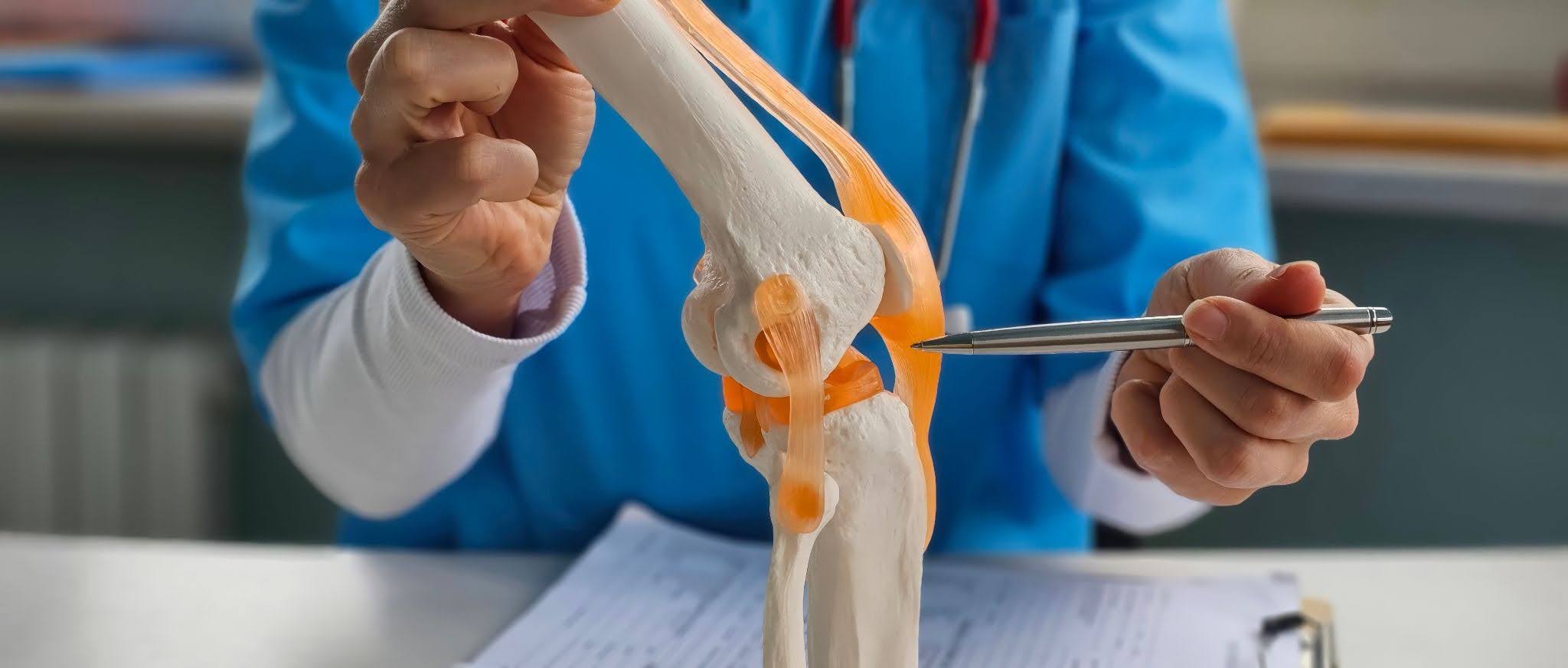
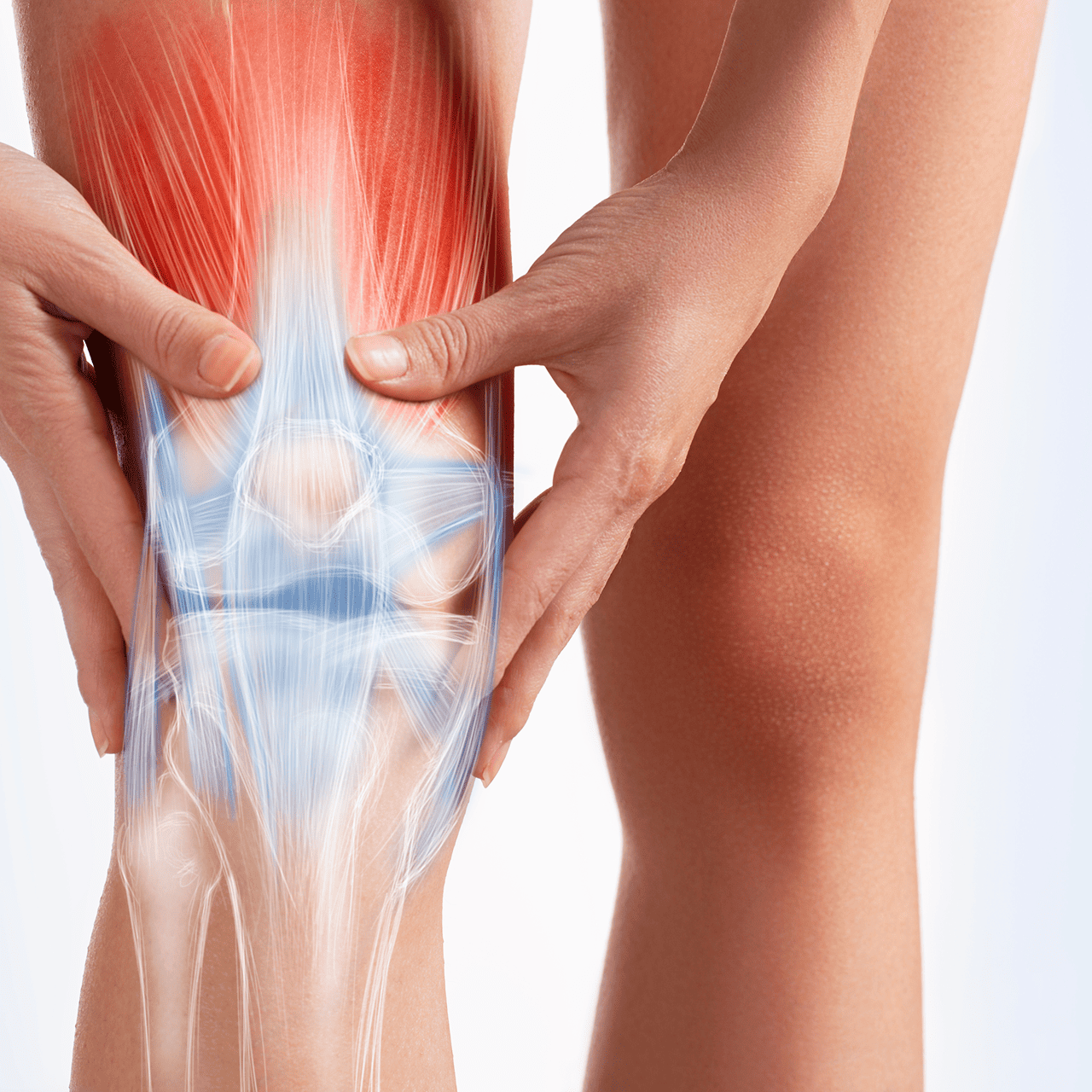
Alternatives to Knee Surgery

7 Powerful Alternatives to Knee Surgery | Pain Center of Rhode Island

At the Pain Center of Rhode Island, we offer 7 alternatives to knee surgery. These include Shockwaves, Red Lasers, EMTT, Physical Therapy, Prolo, PRP, and Bone Marrow Concentrate. Our comprehensive pain management helps to reduce inflammation and pain for many knee conditions, such as:

  • Knee Arthritis
  • Meniscal Tear
  • Patellar Tendinitis (Runner’s Knee)
  • Prepatellar Bursitis
  • Baker’s Cyst
  • Knee pain after surgery

Schedule a call with our staff to get your questions and concerns answered!

Understanding Knee Pain

A surprising 654 million adults 40 years and older suffer from knee pain worldwide. This means that millions of people are severely limited in their mobility, daily activities, and overall quality of life.

The knee joint has a complex structure. This makes it extremely prone to joint pain, injuries, and wear over time. Our comprehensive approach to knee pain helps you avoid surgical procedures while:

  • Enhancing knee joint stability and improving range of motion
  • Reducing knee pain and swelling in the knee and surrounding tissues.
  • Addressing main issues like cartilage damage or weak knee ligaments.
  • Developing a sustainable plan for maintaining long-term knee joint health

Treating Sports-Related Knee Injuries

Athletes at all levels, from professionals to casual players, can get knee injuries. These injuries often happen because of repetitive motion, high-impact activities, and overuse, which can lead to knee replacement surgery.

At the Pain Center of Rhode Island, we provide advanced treatments for sports-related knee injuries. Other clinics do not often offer these therapies together. We create a treatment plan that targets the root causes of pain and dysfunction to help you:

  • Recover effectively without surgery.
  • Regain optimal function and strength.
  • Prevent recurrence with targeted rehabilitation plans

Physical Therapy 

Physical therapy is a key component of our knee pain treatment program. Sheila Maguire, our in-house physical therapist, develops customized rehabilitation plans for every patient. These plans focus on strengthening, mobility, and functional restoration.

Common exercises / treatments:

  • Improving hamstring flexibility
  • Strengthening quad muscles
  • Correcting walking pattern

“Analyzing foot positioning and walking patterns is crucial for identifying alignment issues that may contribute to knee pain. Evaluating the whole body is essential to pinpoint the root cause of discomfort” – Sheila Maguire

Non-Invasive Alternatives to Knee Surgery:

EMTT, Radial Shockwave, and Focused Shockwave Therapy

Knee replacements are among the most common surgeries in the U.S., with over 850,000 performed annually. While often essential, these procedures can sometimes fail, requiring revision surgery. A failed knee replacement refers to one that no longer functions as intended. A PubMed study found that about 1 in 25 people who get a knee surgery will need another surgery within 10 years.

What if we could greatly reduce or even avoid the risk of failed knee surgery? Modern advancements in regenerative medicine provide exciting solutions. These include three simple, non-invasive treatments that may remove the need for surgery.

We are proud to be the only clinic in Rhode Island to offer all three innovative non-invasive treatments:

These therapies help tissue grow back, boost blood flow, and relieve pain without surgery. We also offer Red Laser Therapy. This therapy uses light to repair tissues, lower inflammation, and improve blood flow.

Clinical research shows that Shockwave Therapy can reduce pain and improve function in knee issues. It also has a low risk of side effects. EMTT further distinguishes our clinic by delivering remarkable results without direct skin contact, offering patients a comfortable and highly effective treatment option.

PRP, Prolo, and Bone Marrow Concentrate

Regenerative medicine is changing how we treat knee pain. Treatments like PRP and bone marrow concentrate use the body’s natural healing abilities. Dr. Cherubini is an expert in advanced, minimally invasive treatments.

These treatments use the body’s natural healing to repair damaged tissues. They also help relieve pain and restore function in the shoulder. These studies (article 1article 2) published in PubMed show that:

  • PRP” helps alleviate pain, enhance joint function, increase range of motion, and improve mobility in knee arthritis patients”
  • “Compared to traditional methods, Bone Marrow Concentrate treatment has a certain benefits as a treatment of knee arthritis, in terms of reducing pain without side effects”

As a proud partner of Regenexx, we offer patient outcome data for knee procedures, ensuring evidence-based care. Discover if you qualify as a Regenexx candidate by completing this form.

Reviews

While clinical outcomes demonstrate the effectiveness of our treatments, patient experiences highlight the impact of our care. These Reviews inspire us to remain committed to our patients’ wellness journeys and ensure their long-term success.

Schedule a call

If you have questions schedule a call to get your questions and concerns answered.

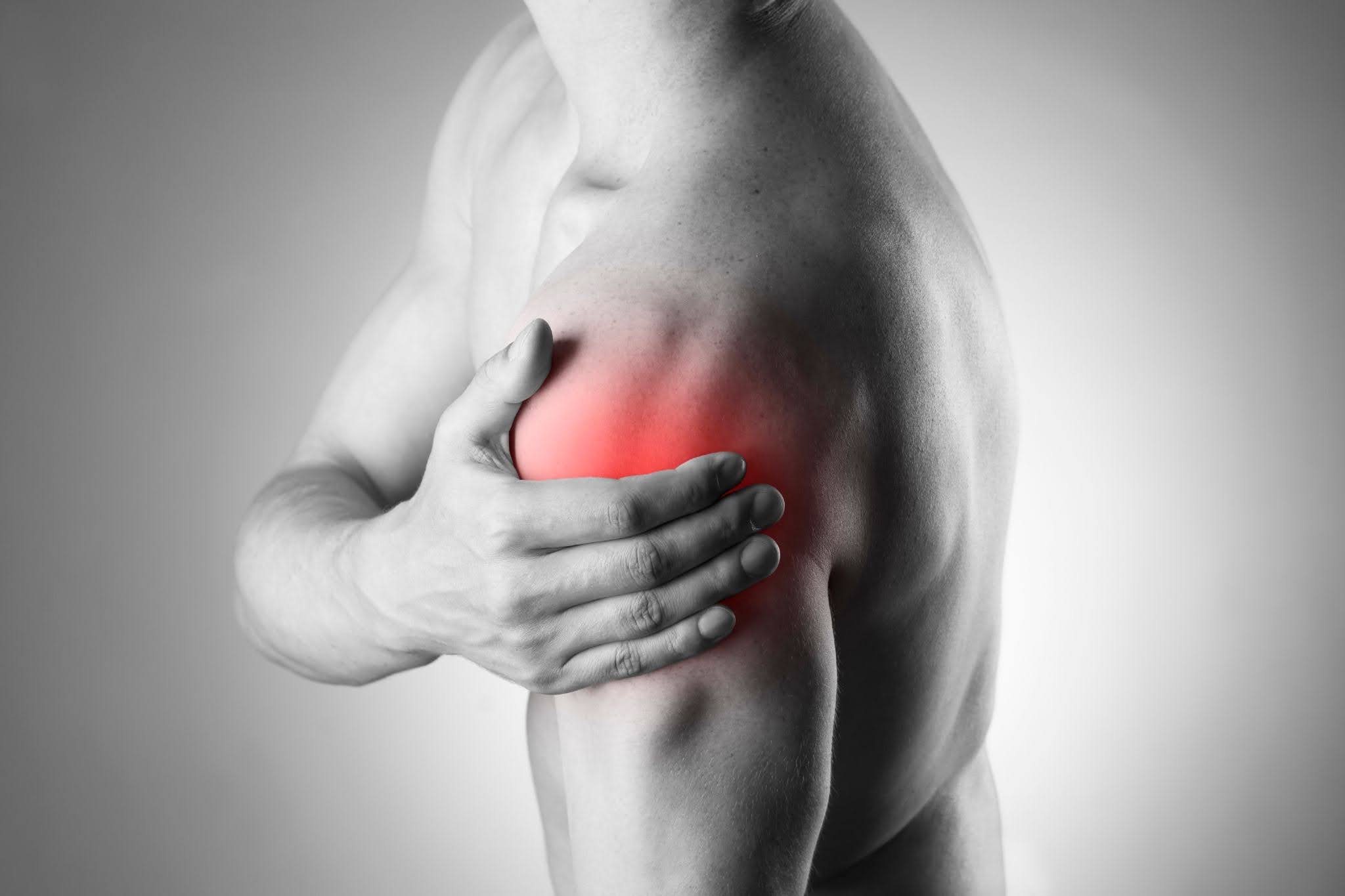
Healing shoulder pain at the Pain Center of Rhode Island

Healing Shoulder Pain At The Pain Center of Rhode Island

At the Pain Center of Rhode Island, we utilize a combination of cutting-edge therapies, including Shockwaves, Red Lasers, EMTT, Physical Therapy, Prolotherapy, PRP, and Bone Marrow Concentrate for healing shoulder pain. Dr. Cherubini’s holistic approach addresses a wide range of shoulder conditions such as:

  • Rotator Cuff Injury
  • Frozen Shoulder
  • Shoulder Osteoarthritis
  • Labrum Tear
  • Impingement Syndrome
  • Subacromial Bursitis

Schedule a call with our staff to get your questions and concerns answered!

Understanding Shoulder Pain

Estimates for the prevalence of shoulder pain can range up to 67% of the population for lifetime prevalence. Millions of people are severely limited in their mobility, daily activities, and quality of life. The shoulder joint is particularly prone to injuries and degenerative conditions. Our personalized approach to shoulder pain management is designed to:

  • Increase range of motion and flexibility
  • Reduce pain and inflammation
  • Address the root causes, such as joint instability and tissue damage
  • Create a long-term maintenance program 

Treating Sports-Related Shoulder Injuries

Athletes from the pro leagues to the backyard frequently encounter shoulder injuries due to repetitive motions and overuse. At the Pain Center of Rhode Island, we treat sports-related back injuries with cutting-edge therapies that many other clinics in Rhode Island don’t offer together. Our approach is focused on addressing the root causes of pain and dysfunction to help you:

  • Recover effectively without surgery.
  • Regain optimal function and strength.
  • Prevent recurrence with targeted rehabilitation plans

Physical Therapy

Physical therapy is an essential component of our shoulder pain treatments. Led by Sheila Maguire, our in-house physical therapy expert, we design personalized rehabilitation plans. 

The most common exercises and treatments Sheila recommends for shoulder pain

  • Pulley Exercises  
  • Upper back and shoulder strengthening exercises 
  • Backward shoulder rolls 
  • Posture correction exercises

“Correcting posture and alignment plays a critical role in effectively treating shoulder pain conditions. A comprehensive approach to posture correction not only alleviates existing discomfort but also helps prevent future injuries, promoting long-term shoulder health and functionality.” – Sheila Maguire

EMTT, Radial Shockwave, Focused Shockwave, and Red Laser Therapy

The Pain Center of Rhode Island is the only clinic in the state offering the synergistic combination of Radial Shockwaves for surface-level pain covering a large area. Focused Shockwaves for targeting deep into tissue and muscle pains. EMTT for large areas and patient comfort. Together, these innovative treatments yield exceptional results. In addition we also offer Red Laser Therapy which triggers photobiomodulation to repair tissues, reduce inflammation, and increase blood flow.

Clinical research (summarized by us in this article) confirms the efficacy of Shockwave Therapy for improving function and alleviating pain in shoulder conditions, with minimal risk of adverse effects.

Additionally, EMTT has proven particularly effective in treating shoulder tendinopathies, making it a key part of the targeted care we offer to our patients. 

PRP, Prolotherapy, and Bone Marrow Concentrate

Regenerative medicine has revolutionized the treatment of shoulder pain, offering a non-surgical path to lasting recovery. Dr. Cherubini is an expert in minimally invasive, advanced treatments that harness the body’s natural healing to repair damaged tissues, relieve pain, and restore function in the shoulder.

Studies published in the National Library of Medicine show that:

  • PRP significantly improves pain and function in conditions like rotator cuff tears.
  • Bone Marrow Concentrate provides long-lasting pain relief and tissue repair for chronic shoulder conditions.

As a proud partner of Regenexx, we offer data-driven patient outcome data for Shoulder Procedures, ensuring evidence-based care. Curious about these treatments? Discover if you qualify as a Regenexx candidate by completing this form.

Testimonials

While clinical outcomes demonstrate the effectiveness of our treatments, patient experiences highlight the impact of our care. These testimonials inspire us to remain committed to our patients’ wellness journeys and ensure their long-term success.

Schedule a call

If you have questions about treatments, prices, and scheduling an evaluation, schedule a call to get your questions and concerns answered. 


Sources 

  1. National Library of Medicine. (2022). Extracorporeal shockwave therapy for chronic pain: A systematic review. Retrieved from https://pmc.ncbi.nlm.nih.gov/articles/PMC9638537/#abstract1
  2. National Library of Medicine. (2018). Efficacy of shockwave therapy in musculoskeletal disorders: A meta-analysis of clinical studies. Retrieved from https://pmc.ncbi.nlm.nih.gov/articles/PMC6029898/
  3. ScienceDirect. (2021). Prevalence and incidence of chronic low back pain: Systematic review and meta-analysis. Retrieved from https://www.sciencedirect.com/science/article/abs/pii/S1746068921000821#:~:text=Prevalence%20and%20incidence,sample%20size%20and%20methodological%20quality.


Healing Back Pain

Healing Back Pain & Neck Pain At The Pain Center of Rhode Island

At The Pain Center of Rhode Island we integrate advanced therapies, including Shockwaves, Red Lasers, EMTT, Physical Therapy, Prolotherapy, PRP, and Bone Marrow Concentrate, to provide a holistic approach to conditions such as:

  • Cervicalgia (Neck Pain)
  • Occipital Neuralgia (Neck)
  • Thoracic Outlet Syndrome (Neck)
  • Thoracalgia (Midback pain)
  • Lumbalgia (Low Back Pain)
  • Sacroiliac Joint Dysfunction

Schedule a call with our staff to get your questions and concerns answered!

Understanding Back Pain

Low back pain is among the most prevalent health issues, affecting 80% of adults at some point in their lives. This condition often leads to significant debilitation, impacting work, daily activities, and family life. Our comprehensive, personalized approach to back pain management focuses on:

  • Enhancing mobility
  • Reducing pain in the pelvic, back, and hip muscles
  • Addressing the root cause through back stability correction
  • Establishing a long-term maintenance program

Back Pain From Sports 

We see many types of athletes from professional to casual. They often face unique challenges when recovering from back injuries due to the physical demands of their activities. At the Pain Center of Rhode Island, we treat sports-related back injuries with cutting-edge therapies that many other clinics in Rhode Island don’t offer together. Our approach is focused on addressing the root causes of pain and dysfunction to help you:

  • Recover effectively without surgery.
  • Regain optimal function and strength.
  • Prevent recurrence with targeted rehabilitation plans.

Physical Therapy

At the Pain Center of Rhode Island, we recognize the essential role of physical therapy in back pain recovery. To ensure optimal outcomes, we provide an in-house, specialized program led by Sheila Maguire. Whether it serves as the primary treatment or complements other interventions, Sheila creates individualized plans tailored to your needs.

Most common exercises and treatments Sheila recommends for back pain:

  • Sciatic Nerve Glide 
  • Core Strengthening 
  • Lower Body Symmetry 
  • Posture Correction Exercises 

“The key to back pain is strengthening your core to decrease strain on the pelvis and vertebrae on the lumbar spine. For symptoms that radiate into the legs or lower body, we will work to fix the spine alignment which reduces pressure on the nerve roots. This pressure is what causes numbing or tingling in the legs.” – Sheila Maguire

EMTT, Radial Shockwave, Focused Shockwave and Red Laser Therapy

With the rising incidence of failed back surgeries, we are proud to lead the way in non-invasive pain management. The Pain Center of Rhode Island is the only clinic in the state offering the synergistic combination of Radial Shockwaves for surface level pain covering a large area. Focused Shockwaves for targeting deep into tissue and muscle pains. EMTT for large areas and patient comfort. Together, these innovative treatments yield exceptional results. In addition we also offer Red Laser Therapy which triggers photobiomodulation to repair tissues, reduce inflammation, and increase blood flow.

Clinical research shows that Shockwave therapy for back pain is an effective treatment to reduce pain and dysfunction in patients without increasing the risk of negative reactions. You can find a summarized version of this research paper here.

PRP, Prolotherapy, Bone Marrow Concentrate

Dr. Cherubini is highly skilled in delivering these minimally invasive, state-of-the-art treatments designed to leverage the body’s natural healing processes. By activating regenerative mechanisms, these therapies offer a remarkable ability to repair damaged tissues, alleviate pain, and restore function in both the lower and upper back, providing patients with a non-surgical path to recovery and long-term wellness.

This Research study demonstrates the efficacy of these treatments:

  • 74% of patients receiving Bone Marrow Concentrate for chronic low back pain reported significant pain reduction compared to those undergoing conventional therapies.
  • Additionally (and surprisingly) opioid use was also lower among the group who received bone marrow concentrate. 

As a proud partner of Regenexx, we offer data-driven patient outcome data for lumbar spine conditions, ensuring evidence-based care. Curious about these treatments? Discover if you qualify as a Regenexx candidate by completing this form.

Testimonials

While clinical outcomes demonstrate the effectiveness of our treatments, patient experiences highlight the impact of our care. These testimonials inspire us to remain committed to our patients’ wellness journeys and ensure their long-term success.

Schedule a call

If you have questions about treatments, prices, and scheduling an evaluation, schedule a call to get your questions and concerns answered. 


Sources:
  1. Naidu, S. H. (2019). Lateral Epicondylitis (Tennis Elbow): A Review of the Literature. Retrieved from https://pmc.ncbi.nlm.nih.gov/articles/PMC6709610/
  2. Singh, J. A., & Lewallen, D. G. (2023). The Role of Interventions in Chronic Pain Management: Current Perspectives. Pain Physician Journal. Retrieved from https://www.painphysicianjournal.com/current/pdf?article=NzQzMg%3D%3D&journal=142
  3. Urits, I., Orhurhu, V., Jones, M., Yilmaz, M., & Viswanath, O. (2019). Pain Management Strategies. In: StatPearls [Internet]. Retrieved from https://www.ncbi.nlm.nih.gov/books/NBK539777/
  4. Gupta, M., & Singh, R. (2023). Advances in Chronic Pain Research and Management. Retrieved from https://www.ncbi.nlm.nih.gov/pmc/articles/PMC10290808/
Healing Shoulder Pain at the Pain Center of Rhode Island

What is Shockwave Therapy? – Pain Center of Rhode Island

History of Shockwaves

The theory of using shock waves in medicine dates back to the 1940s, but the first demonstration of its clinical use in humans occurred in 1980, when Professor Christian Chaussy, MD used shockwaves to disintegrate pelvic stones in humans. He found that 20 of the 21 patients could successfully pass the stones without surgical intervention. In the following decades, shock wave technologies have continued to evolve and have been clinically proven to be powerful in treating chronic pains. The first orthopedic indication(s) approved by the FDA occurred in 2000 for the treatment of plantar fasciitis (foot pain), followed by lateral epicondylitis (elbow pain) in 2002.

Schedule a call with our staff to get your questions and concerns answered!

Two Main Types of Shock Waves

Focused Shock Waves (F-SW)

F-SW are unique sets of acoustic pressure waves that pass through tissue, fat, bone, and muscle. Shockwaves cause micro-traumas that promote blood circulation, increase oxygen levels in cells, and relax tissues. These activities stimulate cell regeneration which repairs damaged tissues, slows down the deterioration of tissues, and strengthens bones. Additionally, shockwaves promote the secretion of pain-reducing chemicals that inhibit the release of pain factors, reduce nerve sensitivity, and increase pain threshold levels.

F-SW applications are beneficial for deeper issues that include soft tissue, bone, and vascular structures. They have a smaller focal zone than radial pressure waves, allowing for precise targeting of deeper tissue structures.

Radial Pressure Waves (R-PW)

Like F-SW, R-PW waves are sound waves. However, R-PWs have a much smaller amplitude and a much longer duration.

Focused shock waves target deeper-sited pathologies (soft tissue or bone), while radial pressure waves target larger, more superficial areas.

Integration with Existing Treatments

Shockwave technology is highly versatile and can be seamlessly integrated into existing treatment protocols. For example, in physical therapy, shockwave therapy can complement stretching and strengthening exercises to optimize recovery. In regenerative medicine, combining shockwaves with platelet-rich plasma (PRP) therapy can enhance tissue healing by promoting cellular activity and increasing blood flow. Laser therapy, extracorporeal magnetotransduction therapy (EMTT), and ultrasound are also often used alongside shockwave therapy to amplify its benefits. The synergy between these treatments helps address multiple aspects of a patient’s condition, from pain reduction to tissue regeneration.

Shockwave for Sports

Additionally, for athletes and active individuals, shockwave therapy can accelerate recovery from sports-related injuries, minimizing downtime and reducing reliance on invasive procedures or medications.

Economics of Shockwave

In the US, shock waves are typically not reimbursed by insurance companies. However, studies have shown that shock waves are as (or more) effective than surgery for plantar fasciitis, and patients often spend less money. In fact, one study determined that the patient’s costs associated with surgery are 5-7 times higher than for shock waves when including lost function, productivity, and wages during recovery.

Frequently Asked Questions

  1. Is shockwave therapy painful?
    Most patients report minimal discomfort during treatment. Some may feel mild soreness afterward, similar to post-exercise soreness.
  2. How long does each session take?
    A typical session lasts 15–20 minutes, depending on the area being treated.
  3. How many sessions are required?
    Most patients experience relief after 3–5 sessions spaced a week apart, although this may vary based on the condition being treated.
  4. Are there any side effects?
    Minor side effects, such as redness or slight swelling, are temporary and usually resolve within hours.
  5. Can shockwave therapy prevent surgery?
    In many cases, especially for chronic pain conditions like plantar fasciitis or tennis elbow, shockwave therapy has been effective in reducing or eliminating the need for surgery.

Testimonials

These testimonials inspire us to remain committed to our patients’ wellness journeys and ensure their long-term success.

Schedule a call

If you have questions about treatments, prices, and scheduling an evaluation, schedule a call to get your questions and concerns answered. 

Shockwave for Hip Pain - Pain Center of Rhode Island

Shockwave for Hip Pain – Pain Center of Rhode Island

Shockwave for Hip Pain: A Revolutionary Approach to Pain Management

A common question we get is whether we can use shockwave for hip pain. The answer is yes! Shockwave therapy is becoming an increasingly popular treatment for managing hip pain, especially for conditions like hip osteoarthritis (OA), tendinitis, and bursitis. This innovative treatment provides a non-invasive, risk-free alternative to traditional methods, making it a valuable option for those seeking long-term relief.

If you have questions about treatments, prices, and scheduling an evaluation, schedule a call to get your questions and concerns answered. 

How Shockwave Therapy Works

As shockwaves pass through tissue, fat, bone, and muscle, they create micro-traumas that promote blood circulation, increase oxygen levels in cells, and relax tissues. These activities stimulate cell regeneration, which repairs damaged tissues, slows tissue deterioration, and strengthens bones. For hip pain, this means reduced inflammation, increased mobility, and enhanced healing.

Understanding Hip Osteoarthritis and Its Challenges

Osteoarthritis (OA) is a chronic degenerative disease common enough to affect approximately one-third of adults aged 65 and over. It starts with disruptions in joint tissue, progresses to cartilage destruction, and causes inflammation and pain in the joints. Hip and knee OA are the most common types of OA.

Common treatments for hip osteoarthritis include exercise, physical therapy, drugs, and steroid injections. However, these treatments can sometimes be ineffective or come with negative side effects. This is where shockwave for hip pain comes in as a promising solution.

Types of Shockwave Therapy

Two types of shock waves are commonly used for musculoskeletal disorders:

  1. Focused Shock Waves (f-ESWT): These penetrate deeper tissues, targeting the root causes of hip pain like tendinitis or arthritis.
  2. Radial Shock Waves (r-ESWT): These are effective for broader, superficial issues such as muscle soreness around the hip.

Both types of shockwave therapy can be combined to address multiple aspects of hip pain, making it a versatile treatment option.

Clinical Evidence Supporting Shockwave for Hip Pain

In a clinical study, 148 patients were randomly distributed into three groups: focused, radial, and placebo. The ESWT application consisted of four sessions administered at one-week intervals. Pain levels were assessed using WOMAC and VAS scores before and after treatment.

Results showed significant reductions in pain intensity, improved functionality, and decreased stiffness in both focused and radial ESWT groups compared to baseline. This randomized, controlled, double-blind study demonstrated that shockwave therapy is an effective and safe method to manage pain and improve function in patients with hip osteoarthritis.

Integration with Other Treatments

Shockwave therapy can be seamlessly integrated into existing treatment plans for hip pain. For instance:

Testimonials

These testimonials inspire us to remain committed to our patients’ wellness journeys and ensure their long-term success.

Schedule a call

If you have questions about treatments, prices, and scheduling an evaluation, schedule a call to get your questions and concerns answered. 

FAQs About Shockwave for Hip Pain

  1. Is shockwave therapy painful? Most patients experience only mild discomfort during sessions, which subsides quickly.
  2. How long does a session take? Each session typically lasts 15–20 minutes.
  3. How many sessions are needed? Most patients require 3–5 sessions for noticeable improvement.
  4. Can shockwave therapy prevent surgery? In many cases, shockwave therapy reduces or eliminates the need for invasive procedures.
  5. Are there side effects? Side effects are minimal, including mild redness or swelling that resolves within hours.

Conclusion: Why Choose Shockwave for Hip Pain?

Shockwave therapy is revolutionizing the treatment of hip pain by offering a non-invasive, cost-effective, and clinically proven solution. Whether dealing with chronic osteoarthritis or recovering from a hip injury, shockwave therapy provides relief, restores mobility, and enhances quality of life. By integrating shockwave therapy into your care plan, you can achieve better outcomes and a faster recovery.


Shockwave for foot pain

Shockwave for Foot Pain (Plantar Fasciitis) – Pain Center of Rhode Island

Shockwave for Foot Pain: A Revolutionary Treatment for Plantar Fasciitis

The benefits of shockwave for foot pain, especially plantar fasciitis, are well-documented, with numerous studies highlighting its effectiveness as a treatment option. Shockwave for foot pain offers a non-invasive, risk-free procedure that not only addresses pain but also promotes the healing of tissues and bones.

If you have questions about treatments, prices, and scheduling an evaluation, schedule a call to get your questions and concerns answered. 

Understanding Plantar Fasciitis

Plantar fasciitis is the most common cause of foot pain, affecting millions of people worldwide. This condition can result from prolonged periods of standing, obesity, use of inappropriate footwear, excessive running by inexperienced runners, and more. Over 2 million patients seek treatment for plantar fasciitis annually, with an estimated treatment cost ranging between 192 and 376 million dollars per year.

Traditional Treatments for Foot Pain

Common treatments for plantar fasciitis include:

  • Insoles and orthotics
  • Anti-inflammatory medications
  • Steroid injections

While these methods provide relief, they often come with limitations or risks. This is why shockwave for foot pain has emerged as a preferred option.

How Shockwave Therapy Works for Foot Pain

Shockwave therapy (SWT) works by delivering acoustic waves to the affected area. These waves create micro-traumas that stimulate blood flow, enhance oxygen delivery, and promote tissue regeneration. For foot pain, this translates to reduced inflammation, accelerated healing, and long-lasting relief.

Clinical Evidence Supporting Shockwave for Foot Pain

In a four-dose shockwave research study on chronic plantar fasciitis, the effectiveness of SWT was measured based on pain, function, and quality of life. The study included 56 patients, with data collected at three, six, and twelve weeks.

Results:

  • Significant pain reduction was observed within three weeks.
  • Patients reported continued improvement in function and quality of life over the 12-week evaluation period.
  • No complications or risks associated with SWT were noted.

This study, along with others, confirms that shockwave therapy is a safe and effective treatment for foot pain, particularly plantar fasciitis.

Integration of Shockwave Therapy into Treatment Plans

Shockwave therapy can be easily combined with other treatment methods to maximize results. For example:

Testimonials

These testimonials inspire us to remain committed to our patients’ wellness journeys and ensure their long-term success.

Schedule a call

If you have questions about treatments, prices, and scheduling an evaluation, schedule a call to get your questions and concerns answered. 

FAQs About Shockwave for Foot Pain

  1. Is shockwave therapy painful? Most patients experience mild discomfort during the procedure, but it’s brief and well-tolerated.
  2. How long does a session take? Each session typically lasts 15–20 minutes.
  3. How many sessions are needed? Most patients see significant improvement after 3–5 sessions.
  4. Are there side effects? Side effects are minimal, including mild redness or swelling, which resolves quickly.
  5. Can shockwave therapy prevent surgery? Yes, shockwave therapy has been shown to reduce or eliminate the need for surgical intervention in many cases.

Conclusion: Why Choose Shockwave for Foot Pain?

Shockwave therapy is transforming the way foot pain is managed. By offering a safe, effective, and non-invasive solution, it addresses the root causes of conditions like plantar fasciitis while improving overall function and quality of life. If you’re dealing with foot pain, consider shockwave therapy as a powerful and proven treatment option.


Source: https://pmc.ncbi.nlm.nih.gov/articles/PMC7006537/

Shockwave Therapy for Neck Pain

Shockwave for Neck Pain – Pain Center of Rhode Island

Shockwave for Neck Pain: A Non-Invasive Solution for Chronic Discomfort

Shockwave has become an increasingly popular treatment for individuals suffering from Myofascial Pain Syndrome (MPS) and other neck-related discomforts. By utilizing acoustic waves, this non-invasive therapy stimulates tissue repair, reduces pain, and improves mobility, offering a significant advantage over traditional treatments.

If you have questions about treatments, prices, and scheduling an evaluation, schedule a call to get your questions and concerns answered. 

Understanding Myofascial Pain Syndrome and Neck Pain

Myofascial Pain Syndrome (MPS) is one of the most common causes of chronic pain, characterized by muscle stiffness, tenderness, and pain radiating to other areas. Studies indicate that around 30% to 93% of individuals with musculoskeletal pain experience MPS. It accounts for approximately 15% of consultations in primary care and up to 90% of patients treated in pain clinics.

MPS in the neck and shoulder region is often linked to prolonged computer work and jobs requiring static neck and shoulder positions. This makes neck pain a common concern among office workers and individuals with sedentary lifestyles.

Traditional Treatments vs. Shockwave for Neck Pain

Common treatments for MPS and neck pain include:

  • Low-Level Laser Therapy (LLLT)
  • Dry Needling (DN)
  • Ultrasound Therapy (US)
  • Physical therapy and exercises

While these methods alone may provide relief, when combined with shockwaves it offers a more efficient and long-lasting solution. Shockwave therapy works by delivering focused sound waves to the affected area, enhancing blood circulation, reducing inflammation, and promoting tissue regeneration.

How Shockwave Therapy Works

Shockwaves are sound waves that pass through damaged tissue, fat, bone, and muscle to stimulate cell regeneration. This process repairs tissues, strengthens muscles, and slows down tissue deterioration. In the neck area, this translates to reduced pain, improved function, and quicker recovery.

Clinical Evidence

In a clinical study involving 505 participants, 231 received shockwave therapy, while 274 underwent treatments like LLLT, DN, and US. Follow-ups were conducted over 2-4 weeks to assess pain levels. Results showed that focused extracorporeal shock wave therapy significantly reduced pain and improved pressure pain thresholds compared to other treatments.

Benefits of Shockwave for Neck Pain

  1. Non-Invasive: No surgery or needles required.
  2. Fast Results: Patients often notice relief after just a few sessions.
  3. Long-Lasting Relief: Addresses the root cause of neck pain for sustainable improvement.
  4. Improved Functionality: Enhances neck mobility and reduces stiffness.

Integration of Shockwave Therapy into Treatment Plans

Here, at The Pain Center of Rhode Island, shockwave therapy can be easily combined with other treatment methods to maximize results. For example:

Testimonials

These testimonials inspire us to remain committed to our patients’ wellness journeys and ensure their long-term success.

FAQs About Shockwave

  1. Is shockwave therapy for neck pain painful? Most patients experience mild discomfort during the procedure, which subsides quickly.
  2. How long does a session take? Each session typically lasts 15-20 minutes.
  3. How many sessions are required? Most patients require 3-5 sessions for noticeable improvement.
  4. Are there any side effects? Side effects are minimal, such as mild redness or swelling that resolves quickly.
  5. Can shockwave therapy prevent surgery? Yes, many patients avoid surgery by effectively managing their neck pain with shockwave therapy.

Conclusion: Why Choose Shockwave?

Shockwave therapy is revolutionizing pain management by offering a safe, effective, and non-invasive alternative to traditional treatments. Whether caused by MPS or other conditions, shockwave therapy delivers fast relief, long-term results, and improved quality of life. Consider integrating shockwave therapy into your treatment plan for a modern approach to pain relief.

Schedule a call

If you have questions about treatments, prices, and scheduling an evaluation, schedule a call to get your questions and concerns answered. 


Source: https://journals.lww.com/ajpmr/fulltext/2021/02000/the_effect_of_extracorporeal_shock_wave_therapy_on.5.aspx

what to expect from Shockwave and Laser Therapy for pain relief. Learn about evaluation, treatments, and results

What to Expect from Shockwave, Laser, and EMTT Therapy: A Patient’s Guide

If you’re exploring non-invasive pain relief options, understanding what to expect from Shockwave and Laser Therapy is essential. At the Pain Center of Rhode Island, we combine advanced therapies like Shockwave Therapy, EMTT, and Laser Therapy in a comprehensive treatment plan to target pain, promote healing, and improve your quality of life.


Step 1: Personalized Evaluation

Before beginning treatment, every patient undergoes a detailed evaluation to determine eligibility. This ensures the therapies are safe and effective for your specific condition. Patients with the following conditions may not qualify:

  • Pacemakers due to potential interference.
  • Metal Implants unless cleared by an MRI conducted within the past two years.
  • Pregnancy, as a precautionary measure.

This assessment allows us to develop a customized treatment plan tailored to your unique pain management needs.


Step 2: Comprehensive Non-Invasive Treatment Plan

Your treatment plan includes a combination of Shockwave Therapy, EMTT, and Laser Therapy, spread across four sessions over four weeks. These therapies work synergistically to deliver optimal results by targeting pain at multiple levels.


Step 3: EMTT and Muscle Preparation

Each session begins with EMTT therapy, designed to reset cellular function and reduce harmful inflammation. This is followed by a V-Actor massage, which loosens muscles and tissues, creating the perfect foundation for the next stages of therapy.


Step 4: Shockwave Therapy

Radial Shockwaves: These waves stimulate blood flow and treat a broad area around the affected site.
Focused Shockwaves: These penetrate deeper tissues to precisely target the source of pain and promote healing.

During your first session, we use a lighter intensity to ensure your comfort. As the treatments progress and pain subsides, we gradually increase intensity for maximum healing.


Step 5: What to Expect from Laser Therapy

Laser Therapy uses focused light energy to penetrate deep into tissues, promoting cell regeneration and reducing inflammation. It’s particularly effective for:

  • Relieving joint and muscle pain.
  • Accelerating recovery from injuries.
  • Reducing swelling and improving mobility.

Most patients find Laser Therapy painless and relaxing, with noticeable results after the first few sessions.


Step 6: Monitoring and Progress

Patients typically experience significant pain relief within two days of the first session. The initial session helps gauge how your body responds to the therapy. If pain persists, additional shockwave sessions or adjustments to your treatment plan may be recommended.


Why Choose Shockwave and Laser Therapy?

  • Non-Invasive: No surgery, no downtime, and minimal discomfort.
  • Multi-Therapy Approach: Combines Shockwave Therapy, EMTT, and Laser Therapy for maximum effectiveness.
  • Tailored for You: Personalized care ensures the treatment addresses your specific condition.

What Patients Can Expect from the Pain Center of Rhode Island

At the Pain Center of Rhode Island, we prioritize patient comfort and results. Our advanced equipment and highly trained professionals deliver exceptional care, ensuring you experience lasting relief and improved mobility.


Schedule Your Treatment Today

Ready to take the first step toward pain relief? Contact us today to schedule a consultation and learn how Shockwave and Laser Therapy can help you.

Book Your Appointment Now